





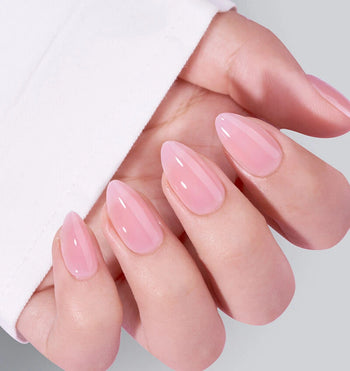
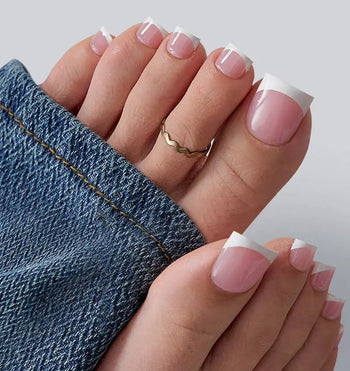


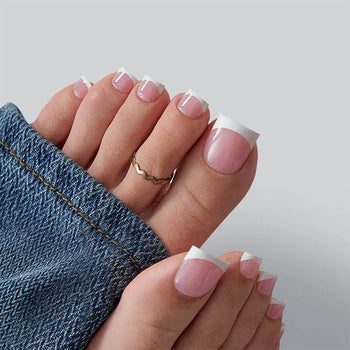


What do healthy nails look like? Healthy nails usually look smooth, lightly shiny, and pinkish-pale with an even shape. They should feel firm but slightly flexible, grow at a steady pace, and have skin around the nail that looks calm, clean, and free from redness or swelling.
A small white half-moon at the base of the nail, called the lunula, can also be visible, especially on the thumbs. Not everyone has obvious lunulas on every finger, so the full picture matters more than one single sign.
This guide will help you check your nails at home, understand what healthy nails can look like, notice common warning signs, and build a gentle care routine that supports stronger-looking nails.
- Healthy nails are usually smooth, pinkish-pale, lightly shiny, firm but flexible, and evenly shaped.
- Healthy cuticles and nail folds should look intact, calm, and free from redness, swelling, or irritation.
- See a healthcare professional if you notice sudden color changes, painful swelling, dark streaks, nail lifting, thick crumbling nails, or major shape changes.
Health note: This article is for general nail-care education only. Nail changes can have many causes, including dryness, injury, product irritation, infection, or underlying health issues. If a change is sudden, painful, spreading, or persistent, get medical advice.
What Do Healthy Nails Look Like?

Healthy nails usually have a steady texture, natural color, and balanced shape. If you run a fingertip over the nail plate, the surface should feel mostly smooth with a gentle curve rather than rough pits, deep dents, or raised bumps.
The nail plate should also look connected to the nail bed, with no major lifting, cracking, or crumbling. The surrounding skin, including the cuticles, should look clean and protected instead of torn, inflamed, or irritated.
7 Signs of Healthy Nails
1 Smooth Surface Without Deep Ridges or Pits
Healthy nails usually have a smooth surface. A few fine vertical lines can be normal, especially with age, but deep grooves, many small pits, or rough texture may mean the nail plate has been damaged or irritated.
Avoid biting, picking, scraping, or over-buffing the surface. These habits can weaken the nail plate and make healthy nails look uneven.
2 Pinkish-Pale Color
Healthy fingernails often look pinkish-pale because the nail plate is slightly transparent and the nail bed underneath has blood flow. The color should be fairly even across the nail.
If nails suddenly look very white, yellow, blue, purple, brown, or black, especially with pain or swelling, it is worth checking with a professional.
3 A Natural White Lunula
The lunula is the pale half-moon shape near the base of the nail. It is often easiest to see on the thumbs. A visible lunula can be normal, but a barely visible lunula can also be normal for many people.
What matters most is change. If the lunula suddenly changes color, shape, or appears along with other nail symptoms, treat it as a signal to pay attention.
4 Firm but Slightly Flexible Nail Plates
Healthy nails should not feel paper-thin, overly soft, or extremely brittle. They should have enough strength to resist everyday tasks while still having a little natural flexibility.
If your nails bend, split, or peel often, the cause may be dryness, too much water exposure, harsh remover, frequent gel or acrylic wear, or a nutrition issue.
5 Intact Cuticles and Calm Nail Folds
Healthy nails also depend on healthy surrounding skin. Your cuticles and nail folds should not look red, swollen, cracked, or painful. This area helps protect the new nail as it grows.
Instead of cutting aggressively, soften and gently push back cuticles when needed. For a deeper routine, read BTArtbox’s guide on how to take care of cuticles.
6 Steady Growth
Healthy nails usually grow gradually and consistently. Fingernails often grow faster than toenails, and growth can vary by age, season, nutrition, and daily habits.
If your nail growth suddenly slows, changes shape, or becomes weak and brittle, compare it with any changes in your routine, diet, products, or health.
7 No Pain, Lifting, or Crumbling
Healthy nails should not hurt. They should not lift away from the nail bed, crumble at the edges, or thicken suddenly. Pain, odor, discharge, or major separation may need medical attention.
If your nails are peeling or splitting mainly at the tips, start with gentler habits and read this guide on how to stop peeling nails.
Quick Healthy Nail Checklist
- Texture: smooth, not deeply grooved or pitted
- Color: even pinkish-pale tone
- Strength: firm but not overly brittle
- Shape: steady curve without sudden distortion
- Cuticles: intact and calm, not swollen or painful
- Growth: gradual and consistent
- Comfort: no pain, lifting, odor, or crumbling
Warning Signs to Watch For
Not every nail change is serious. Sometimes nails look different because of dryness, polish staining, minor injury, or frequent exposure to water. But some changes deserve closer attention.
- Yellow, thick, or crumbly nails: may be linked to fungal infection or long-term irritation.
- Blue or purple nails: can sometimes point to circulation or oxygen issues, especially with other symptoms.
- Dark streaks: can be harmless, but new or changing dark lines should be checked by a healthcare professional.
- Clubbing or major curvature: may need medical evaluation, especially if it appears with shortness of breath or fatigue.
- Redness, swelling, or pain: may suggest infection, injury, or inflammation around the nail.
For changes in nail structure, you can also read BTArtbox’s nail shape guide and the guide on why nails curve down when they get long.
How to Keep Nails Looking Healthy
Keep Nails Clean and Dry
Wash your hands regularly, dry them well, and clean under the nails gently. Try not to keep nails soaked for long periods because repeated swelling and drying can make them weaker.
Moisturize Nails and Cuticles
Use hand cream and cuticle oil regularly, especially after washing hands or using sanitizer. Hydrated nails and cuticles are less likely to crack, peel, or look rough.
Trim and File Gently
Trim nails before they become too long and more likely to snag. File in one direction with a gentle grit instead of sawing back and forth. Keep edges smooth to reduce splitting.
Avoid Harsh Removal Habits
Do not peel off gel, acrylic, or press-on nails. Peeling can remove layers of your natural nail and leave the surface weak or uneven. Use safe removal methods and give nails time to recover between heavy manicures.
Use Gloves for Cleaning and Gardening
Water, detergents, and cleaning chemicals can strip natural oils from nails. Wear waterproof gloves for dishes, cleaning, and gardening to help protect the nail plate and surrounding skin.
Support Nail Health From the Inside
Healthy nails need enough protein, hydration, and key nutrients such as iron, zinc, and biotin. If you suspect a deficiency, ask a healthcare professional before starting supplements.
Recommended Reads and Nail-Care Helpers
Because this topic is health-focused, these recommendations are mostly care guides and gentle manicure options. Each link appears only once in this article.
Strengthen Weak Nails
Best if your nails bend, peel, split, or break more often than usual.
Best Polish for Weak Nails
Best if you want a polished look while choosing gentler options for fragile nails.
Natural Nail Care
Best for building a simple routine around hydration, protection, and gentle habits.
Nail Products
Best for browsing tools, press-ons, and nail-care essentials in one place.
Fingernail Adhesives
Best if you wear press-ons and want adhesive options made for nails.
Extra Short Press-Ons
Best if you want an easy, low-maintenance manicure length for daily tasks.
What Healthy Nails Say About You
Smooth and Pink Usually Means Good Basic Nail Structure
When nails are smooth, evenly colored, and not painful, it often means the nail plate is growing in a stable pattern. It can also suggest your hands are not being overly dried out by water, chemicals, or harsh products.
Firm Structure Often Reflects Consistent Care
Nails that are firm but flexible usually do better with everyday tasks. Consistent trimming, moisturizing, and protection from harsh chemicals can help nails stay stronger-looking over time.
Sudden Changes Are Worth Noticing
Your nails can reflect injury, product irritation, infection, nutrition changes, or broader health issues. If a change is sudden, painful, dark, spreading, or paired with other symptoms, do not rely on nail-care products alone. Get medical advice.
Final Thoughts
Knowing what do healthy nails look like makes it easier to spot normal signs and early changes. In general, healthy nails are smooth, pinkish-pale, lightly shiny, and surrounded by calm, intact cuticles.
To keep nails looking their best, focus on simple habits: moisturize often, trim gently, avoid picking or peeling, use gloves around chemicals, and choose gentler manicure methods. If you notice ongoing discoloration, pain, swelling, deep grooves, dark streaks, or sudden shape changes, check with a healthcare professional.
Frequently Asked Questions About Healthy Nails
What do healthy nails look like?
Healthy nails usually look smooth, lightly shiny, and pinkish-pale. They should feel firm but slightly flexible, grow steadily, and have cuticles and nail folds that look calm and intact.
What do sick fingernails look like?
Sick or unhealthy-looking fingernails may show visible changes such as yellowing, blue or purple color, thickening, crumbling, deep ridges, pitting, splitting, lifting, pain, or swelling around the nail. If these changes persist or worsen, get medical advice.
Are soft nails healthy?
Very soft nails are usually not ideal because they can bend, tear, or peel easily. Common causes include too much water exposure, harsh products, frequent polish removal, or possible nutrient issues.
What does the half moon on fingernails mean?
The half moon is called the lunula. It is part of the nail root area and is often easiest to see on the thumbs. Some people naturally have small or barely visible lunulas, but sudden color or shape changes should be watched.
When should I worry about nail changes?
Get medical advice if you notice sudden dark streaks, blue or purple nails, painful swelling, nail lifting, thick crumbling nails, bleeding, pus, or major shape changes. These signs may need more than at-home nail care.