



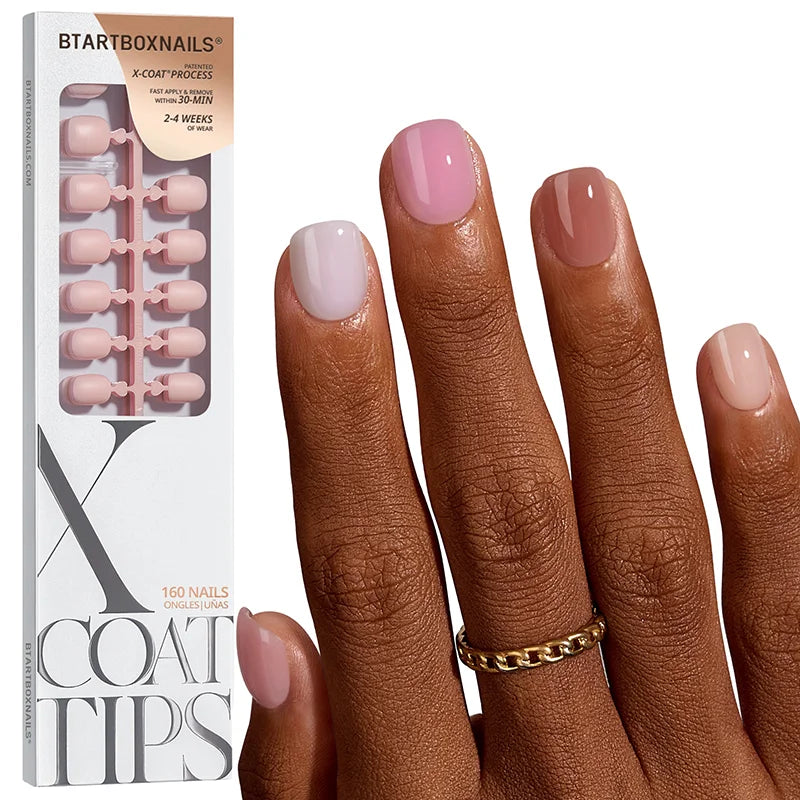

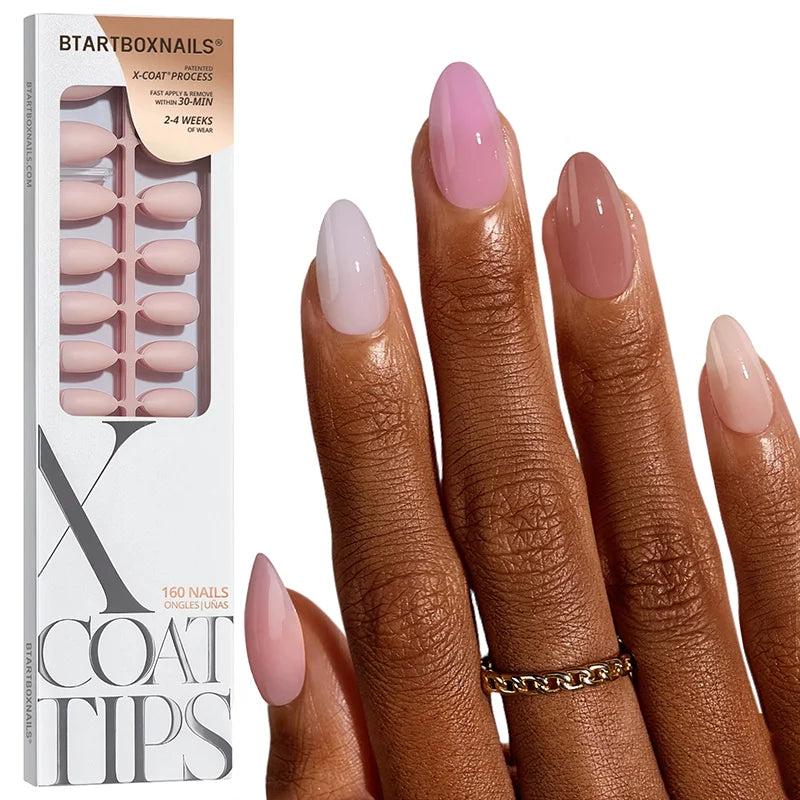
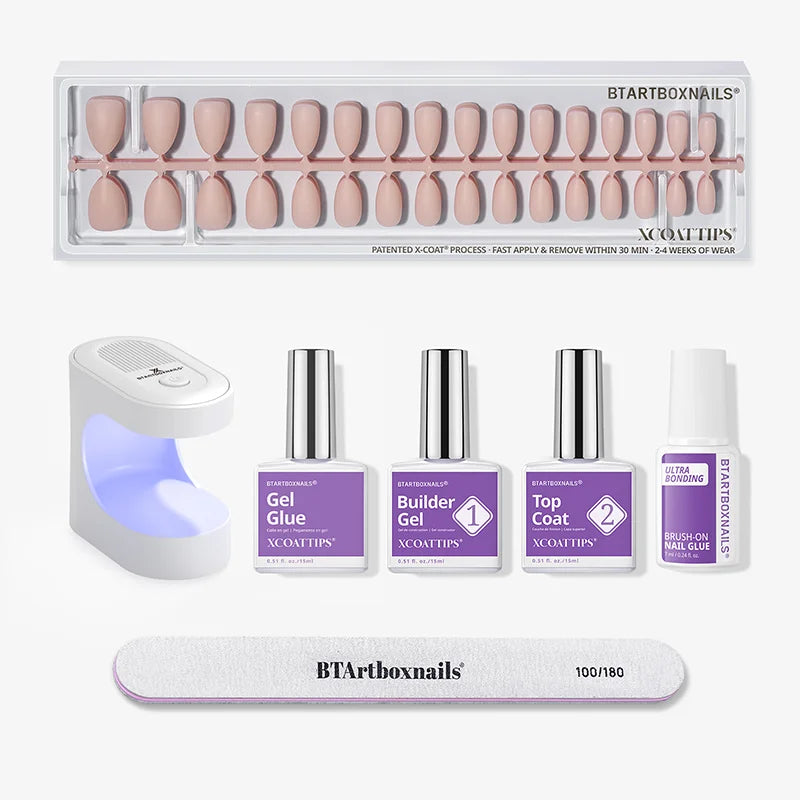
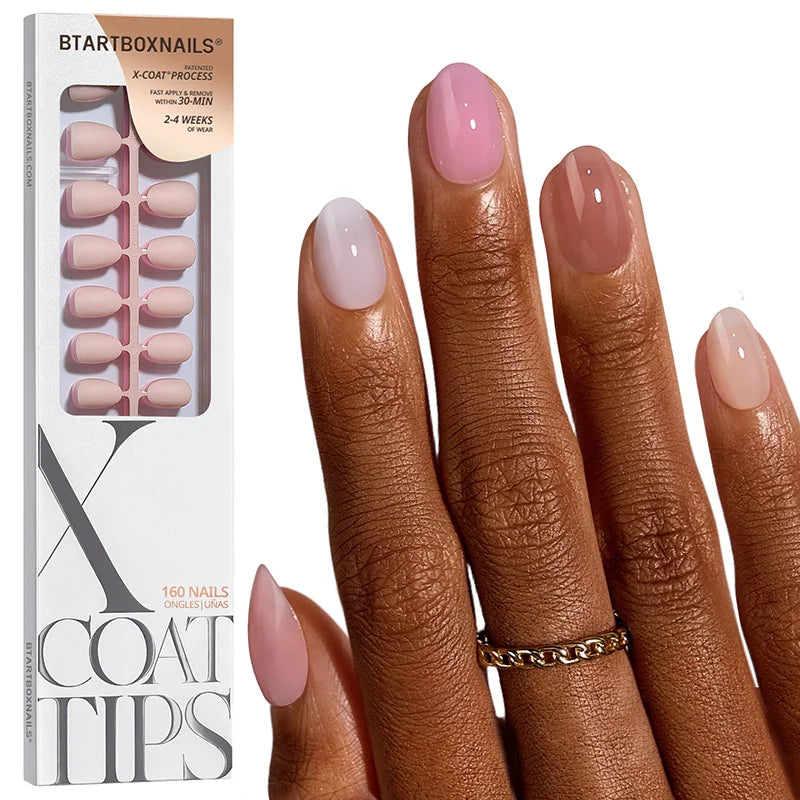








Ever catch yourself thinking, "I just trimmed these—how are they already long again?" You're not alone. "Why do my nails grow so fast" is one of the most searched nail-health questions online, and it's the top concern we hear from BTArtbox customers—especially those who wear press-on nails and notice their sets needing a refresh sooner than expected.
The short answer: it's almost always normal. Nail growth speed varies from person to person, and several everyday factors—from your age and diet to the season and even which hand you write with—can push your growth rate above average. In this guide, we break down the science behind fast nail growth, the seven most common reasons your nails seem to be on overdrive, and practical tips to manage them while keeping your manicure (whether natural or press-on) looking its best.
How Fast Do Nails Actually Grow?
Before diving into why your nails grow fast, let's establish what "normal" looks like.
According to research published by the National Institutes of Health (NIH), the average fingernail grows about 3.47 millimeters per month—roughly the thickness of two stacked coins. Toenails grow more slowly, at approximately 1.62 mm per month. That means a full fingernail replacement takes about 5–6 months from base to tip.
| Nail Type | Average Monthly Growth | Time to Full Replacement |
|---|---|---|
| Fingernails (average) | 3.47 mm | ~5–6 months |
| Toenails | 1.62 mm | ~12–18 months |
| Middle finger (fastest) | ~3.7 mm | ~5 months |
| Thumbnail | ~3.2 mm | ~6 months |
| Pinky (slowest finger) | ~3.0 mm | ~6.5 months |
Source: Yaemsiri et al. (2010), NIH-published study on nail growth rates in U.S. adults.
If your nails are creeping past your fingertips just a week after trimming—or if that cuticle gap shows up days after a fresh manicure—you're likely on the faster end of the spectrum. But "fast" can mean anything from 4 mm to 5+ mm per month in healthy individuals, so there's a wide range of normal.
Quick Tip: Try tracking your nail length for a few weeks with a simple ruler. Many people overestimate their growth rate simply because they notice it more.
7 Reasons Why Your Nails Grow So Fast
1. Age and Metabolism
Nail growth peaks in your teens and twenties, then gradually slows with age. Research shows that after age 25, nail growth decreases by roughly 0.5% per year. So if you're under 35 and wondering why your nails seem to grow overnight, youth and a faster metabolism are likely the primary drivers.
Younger bodies have quicker cell turnover rates, meaning the nail matrix (the tissue under your cuticle that produces new nail cells) is working at full speed. This is entirely normal physiology—not a cause for concern.
2. Diet and Nutrition
Your nails are made primarily of keratin, the same protein found in hair and skin. When your diet is rich in the right building blocks, your body produces keratin efficiently, leading to faster, stronger nail growth.
Key nutrients that fuel nail growth include:
| Nutrient | Role in Nail Growth | Best Food Sources |
|---|---|---|
| Biotin (B7) | Supports keratin infrastructure | Eggs, almonds, sweet potatoes |
| Protein | Primary nail building material | Chicken, fish, legumes, dairy |
| Iron | Delivers oxygen to nail matrix | Red meat, spinach, lentils |
| Zinc | Promotes cell division in nail matrix | Oysters, pumpkin seeds, beef |
| Vitamin C | Aids collagen synthesis | Citrus, bell peppers, strawberries |
If your nails grow fast without supplements, your diet is likely already providing what you need. The American Academy of Dermatology notes that biotin deficiency is rare in healthy adults eating varied diets.
For a deeper look at which vitamins support nail health, check out our guide: What Vitamins Are Good for Nails?
3. Blood Circulation and Hand Activity
Good blood flow delivers oxygen and nutrients directly to your nail matrix, where new cells form. The more active your hands are—whether from typing, playing an instrument, or doing manual work—the better circulation your fingertips receive.
This is also why nails on your dominant hand typically grow 10–15% faster than those on your non-dominant hand. The extra mechanical stimulation from daily use increases blood flow, which accelerates nail matrix activity. Even activities like regular hand massage or nail filing can create mild stimulation that contributes to slightly faster growth.
4. Hormonal Changes
Hormones can dramatically shift nail growth speed, and hormonal fluctuations can affect nail growth by influencing circulation and metabolic activity. The most well-known example is pregnancy: elevated estrogen, progesterone, and thyroid hormones during the second trimester often produce the fastest nail growth many women ever experience.
Other hormonal situations that can accelerate nail growth include:
- High-estrogen phases of the menstrual cycle
- Hyperthyroidism (overactive thyroid)
- Some hormonal contraceptives
- Puberty
If fast nail growth comes alongside other symptoms—like unexplained weight loss, rapid heartbeat, heat intolerance, or anxiety—it may be worth checking with a healthcare provider to rule out thyroid issues.
5. Seasonal Changes
Multiple studies confirm that fingernails grow significantly faster in summer than in winter—some research shows up to 25% faster in the same individual. The mechanism is straightforward: warmer temperatures increase peripheral blood circulation and metabolic rate, delivering more nutrients to the nail matrix.
If you've noticed your nails needing more frequent trims from June through August, seasonal acceleration is almost certainly the explanation. People in tropical or warm climates often report faster nail growth year-round compared to those in colder regions.
6. Genetics and Heredity
DNA is the single biggest factor determining your natural nail growth rate. If fast-growing nails run in your family, chances are you inherited that trait. Genetics also influence nail thickness, shape, and strength.
You can't change your genes, but knowing your natural baseline helps you spot unusual changes that might need attention. If your growth rate has been consistently fast your whole life, it's simply your body's default setting.
7. Overall Health and Recovery
Fast-growing nails often reflect good overall health. When your body is well-nourished, well-hydrated, and operating efficiently, nails grow at or above average speed. Conversely, illness, poor nutrition, significant stress, and certain medications can slow growth down.
You might also notice a temporary growth spurt during recovery from illness or injury—your body is compensating by ramping up cell production. The white lines (Beau's lines) that sometimes appear across nails after serious illness are literally visible records of periods when growth slowed or paused.
Related read: Learn how to spot the signs of healthy nails in our guide What Do Healthy Nails Look Like?
The Science Behind Nail Growth
Understanding how nails grow helps explain why they grow at different speeds.
Nail Structure and Anatomy
Your nails are more complex than they appear. Here's a breakdown of the key structures:
| Part | Function |
|---|---|
| Nail Plate | The visible hard surface; protects the fingertip |
| Nail Bed | Tissue beneath the plate; supplies nutrients and oxygen via blood vessels, and its rich blood supply gives the area a pink appearance while nourishing the nail |
| Nail Matrix | Growth center at the base; produces new nail cells and determines thickness, shape, and growth speed |
| Cuticle | Thin skin at the base that shields the matrix from bacteria and infection |
| Lunula | The pale half-moon shape visible at the base; part of the matrix |
Nails are made mostly of keratin. The matrix cells divide continuously, pushing older cells forward. As those cells move outward, they flatten, harden, and fill with keratin—becoming the nail plate you see. This is why nails grow steadily: matrix cells continuously produce new nail cells around the clock. Unlike nails, hair grows in repeating phases.
Important: Avoid over-pushing or cutting your cuticles, as they serve as a critical barrier. Damaging them can slow growth or lead to infections.
The Nail Growth Cycle
Unlike hair, whose hair follicles cycle through a growth phase, a catagen or transition phase, and shedding, nails grow continuously. During that transition, growth slows before resting and natural shedding, when hair falls from the same follicle. These stages happen in individual hair follicles rather than all hairs at once. Fingernails advance about 3 mm per month, with growth originating from the matrix beneath the skin—not the tip.
Factors that can temporarily disrupt this cycle include injury to the matrix (which may leave ridges or discoloration that take months to grow out), severe illness, and certain medications. But for most people, growth is steady and predictable.
Is Fast Nail Growth a Sign of Good Health?
In most cases, yes—fast-growing nails can be a positive indicator of overall metabolic health. Healthy nails are typically smooth, strong, and consistent in color. If your body is delivering nutrients efficiently to the nail matrix, faster growth is a natural result.
However, fast growth alone isn't a definitive health marker. Genetics play the dominant role—some people simply have faster-growing nails regardless of health status. And if your nails suddenly change in growth rate alongside other symptoms (texture changes, discoloration, ridging, or brittleness), it's worth consulting a healthcare provider.
When to See a Doctor
Fast nail growth by itself is virtually never a medical concern. But you should see a dermatologist if rapid growth is accompanied by:
- Significant color change (yellow, brown, black streaks, green)
- Sudden texture change (pitting, deep ridging)
- Nail separation from the nail bed (onycholysis)
- Pain or swelling around the nail fold
- Thickening and discoloration of toenails (possible fungal infection)
- sudden slow nail growth, especially if it appears with other nail changes or broader symptoms
The American Academy of Dermatology recommends a visit for any nail change that persists longer than 4–6 weeks, worsens, or affects multiple nails simultaneously.
How to Care for Fast-Growing Nails
Fast-growing nails are a good thing—but they do require more maintenance. Without regular care, longer nails are more prone to chipping, snagging, and breakage. Here's how to keep them strong and manageable.
Build a Consistent Nail Care Routine
A simple routine goes a long way. Here's a weekly maintenance checklist:
| Task | Frequency |
|---|---|
| Trim nails | Every 1–2 weeks |
| Apply cuticle oil | Daily |
| File edges smoothly | As needed |
| Wear gloves for cleaning/dishes | Always |
| Moisturize hands | After washing |
Filing tips: Use a glass or crystal file (gentler than metal) and file in one direction—from the outside edge toward the center. Avoid sawing back and forth, which can cause splitting.
Protection: Wear gloves when doing dishes or cleaning. Harsh chemicals and prolonged water exposure weaken nails and make them brittle over time.
Choose the Right Nail Care Products
The products you use matter more than you might think, especially since weak nails are more prone to nail breakage, which can sometimes reflect nutritional issues as well as product damage:
- Acetone-free remover: Acetone strips natural oils, leaving nails dry and prone to cracking.
- Strengthening base coat: Adds a protective layer and reduces peeling if you wear polish often.
- Cuticle oil with jojoba, vitamin E, or almond oil: Hydrates the nail root and surrounding skin, preventing dryness that leads to peeling.
- Keratin-infused nail treatment: Supports nail structure and can improve toughness over time for frequently breaking nails.
If you love changing your look frequently, press-on nails are an excellent alternative to traditional polish—they give you salon-quality style without the drying effects of repeated polish application and removal.
Related: If your nails are growing fast but also feeling fragile, check our guide to the Best Polish for Weak Nails.
Tips for Managing Nail Length
- Pick a practical length: If you type a lot or play sports, shorter nails are more manageable and less likely to break.
- File every few days to maintain shape and prevent rough edges that snag on fabric.
- Shape to the shortest nail if growth is uneven—this keeps your look consistent and reduces snagging.
- Never use nails as tools for opening packages or scraping surfaces.
- Try low-maintenance shapes: A rounded or squoval shape is less likely to catch on fabrics and easier to maintain if your nails grow quickly.
Fast Nails and Press-On Nails: What You Need to Know
One of the most common questions we get at BTArtbox is: "If my nails grow fast, will press-on nails still work for me?"
Absolutely. Here's what fast growers should know:
- Press-on nails don't affect your natural growth rate. Your nails grow from the matrix underneath—nothing applied to the surface changes that.

- You may need to change sets more often. As your natural nail grows, a small gap appears at the cuticle line. Most press-on wearers refresh their set every 1–2 weeks depending on growth speed.
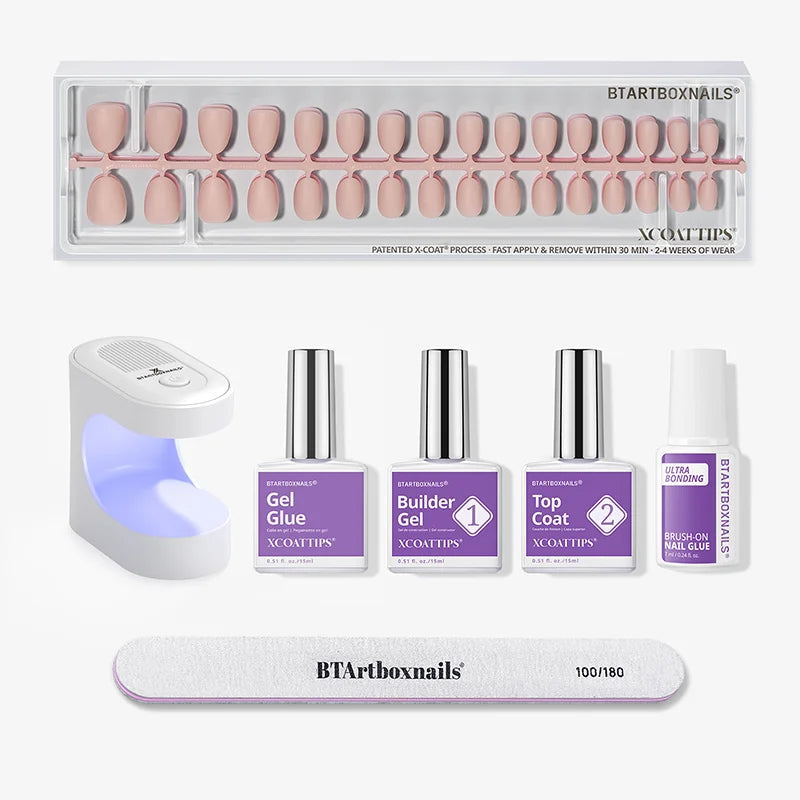
- Prep is key. Before applying, gently push back cuticles and buff the nail surface for better adhesion. Our nail prep accessories include everything you need for a long-lasting application.
- Shorter styles stay fresher longer. If your nails grow quickly, try extra-short square or squoval styles—they look polished even as your natural nail grows out.


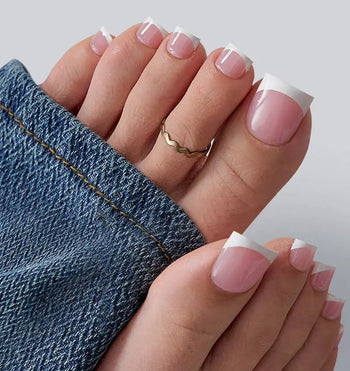
Shop by shape: Short Almond | Short Coffin | French Tips | Toe Nails
Frequently Asked Questions
Are you healthy if your nails grow fast?
Not necessarily. Nail growth speed is primarily determined by genetics. While good health supports your natural growth rate, fast-growing nails alone don't mean you're healthier than someone with slower-growing nails. Look at other indicators like nail color, texture, and strength for a more complete health picture.
What does it mean when your nails keep growing fast?
Consistently fast nail growth usually reflects your genetic baseline, a nutrient-rich diet, good circulation, or younger age. If your nails suddenly grow much faster than usual and you also notice texture changes, color shifts, or brittleness, it may signal a hormonal or health shift—consider checking with a healthcare provider.
Do strong nails indicate good health?
Strong nails can indicate that you're eating well and taking care of them, but they're not a perfect health barometer. Even well-groomed nails are more of an appearance cue than proof of overall health. Staying hydrated, eating a balanced diet, and avoiding harsh chemicals all contribute to nail strength, regardless of your overall health status.
Does testosterone make nails grow faster?
Yes, higher testosterone can contribute to faster nail growth. This is one reason men's nails sometimes grow slightly faster than women's on average. However, hormonal fluctuations in women during pregnancy, puberty, or certain phases of the menstrual cycle can also cause significant growth spurts.
How quickly do healthy nails grow?
Fingernails typically grow about 3–3.5 millimeters per month. Toenails are slower, at roughly 1–1.6 millimeters per month. Your age, diet, circulation, and genetics can shift that rate up or down. There's a wide range of normal—anywhere from 2.5 mm to 5+ mm per month can be healthy.
Do nails grow faster with press-on nails or acrylics?
No. Neither press-on nails nor acrylics change your natural nail growth rate. Growth happens at the matrix beneath the cuticle, which isn't affected by products applied to the nail surface. However, the mechanical stimulation from regular filing and maintenance may cause a very slight increase in growth speed.
Why do my nails grow faster in summer?
Warmer temperatures increase blood circulation to your extremities, delivering more nutrients and oxygen to the nail matrix. Studies show nails can grow up to 25% faster in summer compared to winter in the same individual.
Can fast nail growth be a sign of a health problem?
Fast nail growth alone is almost never a sign of a health problem. However, if rapid growth comes with discoloration, texture changes, pain, or nail separation from the bed, see a dermatologist. Hyperthyroidism is the most common medical condition associated with accelerated nail growth, but it typically presents with other symptoms as well.
Final Thoughts
Now you know the key reasons behind why your nails grow so fast. From genetics and age to diet, hormones, and seasonal changes, many factors work together to determine your nail growth speed. In most cases, fast-growing nails are a sign of a healthy, well-nourished body—nothing to worry about.
The key is keeping up with proper nail care: regular trimming, cuticle hydration, and protective measures like wearing gloves during chores. And if you love switching up your look, BTArtbox press-on nails make it easy to stay stylish without the commitment or damage of traditional salon manicures.
Ready to find your perfect set? Explore our Best Sellers or try a starter kit to get everything you need.