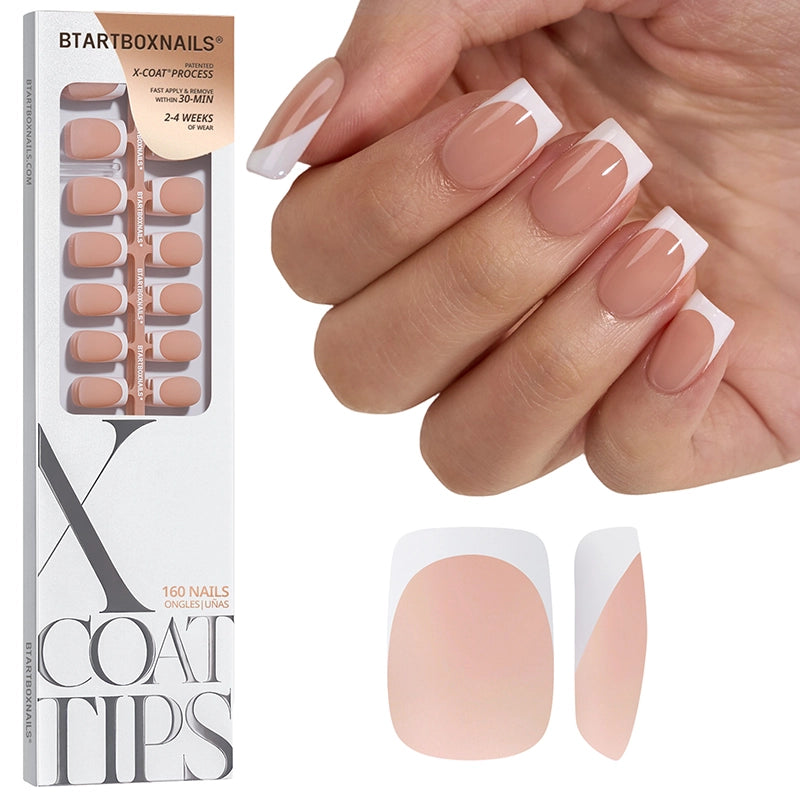










Dip nails are durable and long-lasting, but what if you want a fresh color without a full removal?
Can you paint over dip nails? Yes, you can paint over dip nails as long as you prep them the right way. This lets you switch colors, add designs, or refresh the shine without a complete redo.
With the proper steps, polish sticks well to the smooth dip surface and lasts longer. You will need to know how to buff, clean, and choose the best polish for the job.
This guide walks you through prep, polish options, application tips, and care so your updated nails look fresh and last.
Quick Insights ⚡:
- Yes, you can paint over dip nails; proper prep ensures adhesion and a smooth finish.
- Buff the topcoat lightly, clean with nail cleanser or polish remover, then apply thin layers + top coat or gel.
- Regular polish, gel, or shellac all work—gel/shellac require UV curing, while regular polish needs drying and a top coat.
- Skip buffing or over-layering—these can lead to lifting, peeling, or an uneven finish.
- Prep (buff + clean), thin coats, cap edges, top coat = long‑lasting manicure.
Can You Paint Over Dip Nails?
You can change the color of your dip nails without having to remove them completely. With the right surface preparation and technique, regular polish or gel can be applied smoothly and last well over the dip powder base.
What Are Dip Powder Nails?
Dip powder nails use a colored acrylic powder and resin to create a hard, durable layer on your natural nails.
The process involves applying a base coat, dipping the nail into powder, and sealing it with an activator and top coat.
This type of manicure can last 3 to 4 weeks without chipping. The surface is smooth and sturdy, making it a good base for painting over.
Because dip nails are more rigid than natural nails, the polish applied on top tends to stay put longer. However, the surface must be lightly buffed first so the new polish can grip.
Why Paint Over Dip Nails?
Painting over dip nails lets you change the color or design without a full removal. This can save you time and help extend the life of your manicure.
You might want to do this if:
- You want a new color for an event or season
- The original shade has grown out but the nails are still in good shape
- You want to add nail art or patterns
You can use regular nail polish, gel polish, or even nail art paints. A thin base coat can help the new color last longer and prevent staining.
This method also reduces wear on your natural nails, as you avoid frequent soak-off removals.
Potential Risks and Considerations
Painting over dip nails is safe if you follow proper prep steps. Skipping surface buffing or cleaning can cause the new polish to peel or chip quickly.
If you use an acetone-based remover to take off the top polish, you may weaken or remove the dip layer underneath. A non-acetone remover is better for preserving your manicure.
Thick layers of polish can make nails look bulky and may trap moisture, potentially affecting nail health. Keep coats thin and let each layer dry fully.
If your dip nails are lifting or cracked, painting over them will not fix the damage. In that case, it is better to remove and redo the set.
Also Read 📖: How Long Does Builder Gel Last? Tips for Longer Wear
How to Prep Dip Nails for Polish (Step-by-Step)

To achieve a smooth, even color over a dip powder manicure, start with a clean surface, remove any shine, and create a layer that helps the polish adhere. Skipping these steps can lead to streaks, chipping, or polish that peels too soon.
1. Clean and Dehydrate the Nails
Start by removing any old nail polish with a non-acetone nail polish remover to avoid softening the dip powder layer. If you need to strip stubborn color, use acetone nail polish remover, but work quickly to prevent damage.
Wash your hands with soap and warm water to remove dust and residue. Dry them completely.
Next, wipe each nail with a lint-free pad soaked in rubbing alcohol or a nail dehydrator. This removes natural oils that can stop polish from bonding well.
Make sure you avoid touching your nails after cleaning. Even small amounts of oil from your skin can reduce adhesion.
2. Lightly Buff the Surface
Use a nail buffer with a fine grit to gently roughen the surface of the dip powder. This step helps the new polish layer adhere more effectively.
Buff in light, even strokes and avoid pressing too hard. You only want to remove the shine, not thin the dip layer.
After buffing, brush away dust with a clean nail brush or a dry lint-free wipe. Any leftover particles can cause bumps in your polish.
If you see uneven spots, lightly buff again until the surface feels smooth but slightly textured.
3. Apply a Base Coat
A base coat creates a smooth foundation and helps polish stick to the dip powder surface. It also prevents staining from darker colors.
Choose a base coat that works well over artificial nail surfaces. Many gel-based coats or high-adhesion formulas are a good match for dip powder.
Apply a thin, even layer from cuticle to tip, sealing the free edge. Let it dry fully before adding color. This step improves wear time and reduces chipping.
If you are using a quick-dry base coat, still give it at least one minute to set before painting your nails.
🔥 Check Out Related Products 🔥


Tools and Materials Needed
Having the right tools makes the process easier and helps you get better results.
You will need:
- Nail buffer (fine grit)
- Non-acetone nail polish remover
- Acetone nail polish remover (optional for stubborn polish)
- Lint-free pads or wipes
- Rubbing alcohol or nail dehydrator
- Nail brush
- Base coat (regular or gel formula)
Keep these items clean and stored in a dry place so they are ready for the next time you prep your nails.
Best Types of Polish to Use Over Dip Nails
You can layer different types of polish over dip nails if you prepare the surface correctly. The results depend on the polish type, the application method, and how you protect the finish afterward.
Regular Nail Polish Over Dip Nails
Regular nail polish works well if you want a quick color change without removing your dip powder. Always start with a light buff to remove surface shine. This helps the polish stick better.
Apply a clear base coat to prevent staining and improve adhesion. Apply thin, even coats of polish, allowing each coat to dry completely before adding the next.
Finish with a non-acetone-safe top coat to protect the color and maintain the shine. This method is best for short-term changes, like matching an outfit or event. Removal is easy with a non-acetone remover, which will not damage the dip layer underneath.
Gel Polish Over Dip Nails
Gel polish, including Shellac, gives you a glossy and long-lasting finish over dip nails. Start by gently buffing the surface to remove the topcoat shine. This step is important so the gel bonds well.
Apply a gel base coat, then cure it under a UV or LED lamp. Apply two thin layers of gel polish, curing each layer thoroughly.
Seal with a gel top coat and cure again for a smooth, durable surface. Gel polish over dip nails can last up to two weeks without chipping, making it a good choice if you want a salon-quality look without a full dip redo.
When to Avoid Dip Powder Over Polish
Applying dip powder liquids over nail polish can cause problems if the polish is not completely dry. The dip liquids may soften, wrinkle, or smudge the polish underneath.
Only apply dip powder over polish if:
- The polish has dried for several hours or more
- The surface is clean and lightly buffed
- You avoid thick, soft polish layers that can shift under the dip
If you are unsure, it is safer to remove the polish first. This prevents uneven textures and ensures the dip powder bonds directly to the nail or a proper base layer.
Also Read 📖: Can You Use Regular Nail Polish with Gel Top Coat?
Application Techniques for Painting Over Dip Nails
A smooth and long-lasting finish depends on how you apply the polish. Proper technique helps the color stick to the dip surface, prevents early wear, and keeps your nails looking neat for longer.
1. Applying in Thin Layers
Apply your polish in thin, even coats, rather than thick ones. Thin layers dry faster and lower the chance of smudging or bubbling. This also helps the polish bond better to the dip surface.
Start with a small amount of polish on the brush. Wipe off excess on the bottle neck before applying. Use three strokes per nail — one down the center, then one on each side.
Allow each coat to dry completely before applying the next. Typically, 1–2 minutes is sufficient for regular polishing. Two to three thin coats will provide even coverage without a heavy or uneven appearance.
Benefits of thin layers:
- Faster drying time
- Less streaking or clumping
- Better adhesion to dip powder
2. Capping the Free Edge
Capping means sealing the very tip of your nail with polish. This step helps prevent chipping and peeling at the ends, which is where polish usually wears first.
After painting the nail surface, swipe the brush lightly across the nail tip. Do this with each coat, including the top coat. Avoid using too much polish here to prevent buildup.
Pay attention to the corners of the free edge. These spots are often missed and can start peeling early. A thin, even cap will make your manicure last longer and keep the edge smooth.
Key tips for capping:
- Use a light hand to avoid thick buildup
- Cover the entire edge, including corners
- Repeat with every coat for stronger protection
3. Sealing with a Top Coat
A good top coat locks in the color and adds a smooth finish. It also protects against scratches and chips. For best results, choose a high-quality formula that works with dip nails, such as a regular quick-dry top coat or a gel top coat if you have a UV lamp.
Apply the top coat in a thin, even layer over the entire nail. Make sure to also cap the free edge. Avoid flooding the cuticle area, which can cause lifting.
If using a gel top coat, cure it under the lamp for the recommended time. For regular top coats, allow extra drying time to avoid smudges. Reapply every few days to refresh shine and extend wear.
Top coat benefits:
- Adds shine and smoothness
- Protects from daily wear
- Extends the life of your polish over dip nails
Maintenance & Removal Tips
Keeping dip nails looking good and removing them safely helps you avoid damage and extend the life of your manicure. Proper care also makes it easier to change colors or styles without harming your natural nails.
Touch-Ups & Refreshing
Dip nails can lose shine or start to lift at the edges over time. To keep them looking fresh, apply a clear top coat once a week. This seals the surface, adds gloss, and helps prevent chips.
If you notice small chips or scratches, lightly buff the area before adding polish. You can also paint over dip nails with regular polish for a quick color change.
For best results:
- Clean nails with alcohol before applying new polish.
- Avoid soaking hands in water right before painting.
- Use thin layers to prevent peeling.
Safe Removal Practices
Removing dip nails the wrong way can cause peeling or thinning of your natural nails. Never pry or force the product off.
Start by lightly buffing the surface to break the seal. Then soak a cotton ball in acetone, place it on the nail, and wrap it with foil or use a nail remover wrap. Wait about 10 to 15 minutes before checking if the dip has softened.
If it does not come off easily, rewrap and soak a bit longer. Gently push off the softened product with a cuticle pusher, working slowly to avoid scraping the nail plate.
Post-Remedy Nail Care
After removal, your nails may feel dry or weak. Apply BTArtboxnails cuticle oil daily to restore moisture and improve flexibility. A hand cream with shea butter or glycerin can also help.

Give your nails a short break before applying a new dip or gel set. Even a few days lets them recover and reduces the risk of breakage.
If nails are peeling or thin, keep them short and use a strengthening base coat until they improve. Avoid harsh cleaners without gloves, as chemicals can make dryness worse.
Comparing Dip Nails with Other Nail Enhancements
Dip powder nails give you a strong, smooth surface that lasts for weeks without chipping. They use a powder-and-glue system that does not require curing under UV light, which sets them apart from other popular nail options.
Dip Nails vs. Gel Nails
Gel nails use a liquid gel that hardens under a UV or LED lamp. This curing process gives them a glossy finish and flexibility that can feel more natural.
Dip nails, on the other hand, harden without light and tend to be more rigid. This makes them less likely to bend but can also make them feel thicker.
Key differences:
- Application: Gel uses liquid gel and a curing lamp. Dip uses powder and resin.
- Durability: Dip usually lasts 3 to 4 weeks. Gel often lasts 2 to 3 weeks.
- Removal: Gel is soaked and gently scraped. Dip often needs more filing before soaking.
If you want a softer, more flexible nail, gel might be better. If you prefer a harder surface with longer wear, dip nails are a good choice.
Dip Nails vs. Acrylic Nails
Acrylic nails are made by mixing a liquid monomer with a powder polymer to form a paste that hardens in air. They can be shaped into long extensions and are known for strength.
Dip nails are lighter and often feel less bulky than acrylics. They are also quicker to apply and do not have the strong odor associated with acrylic liquid.
Key differences:
- Application: Acrylic uses a brush-on mix that hardens in minutes. Dip uses layers of powder and resin.
- Durability: Acrylic can last 3 or more weeks but may lift if not applied well. Dip lasts a similar time but is less prone to lifting.
- Maintenance: Acrylic often needs fills every 2 to 3 weeks. Dip can be removed and reapplied without heavy filing.
If you want dramatic length and shaping options, acrylics work well. If you want a faster, lower-odor process, dip nails are easier to manage.
FAQs: Can You Paint Over Dip Nails
You can change the look of dip nails without removing them by using the right polish and prep steps. The type of polish you choose, how you prepare the surface, and how you care for your nails will affect how long the new color lasts.
Can you paint over dip nails with regular polish?
Yes. You can apply regular nail polish over dip nails. Lightly buff the surface to remove shine, clean off any dust, and apply polish as you would on natural nails. A base coat can help the polish stick better and prevent staining.
Can you use gel polish over dip nails?
Yes. Gel polish works well over dip nails if you prep correctly. Buff the surface, clean it with alcohol, and apply the gel polish in thin layers before curing under a UV or LED lamp.
Do I need a UV lamp?
You only need a UV or LED lamp if you use gel polish. Regular nail polish air-dries and does not require curing under a lamp.
What should you avoid with dip nails?
Avoid using harsh acetone unless you plan to completely remove the dip. Do not pick or peel at the surface, as this can damage your natural nails. Also, avoid filing too aggressively, which can weaken the dip layer.
Does gel polish last longer on dip nails?
Often, yes. Gel polish can last longer than regular polish when applied over dip nails because the dip layer provides a strong base. Proper prep and curing are key to preventing chipping or peeling.