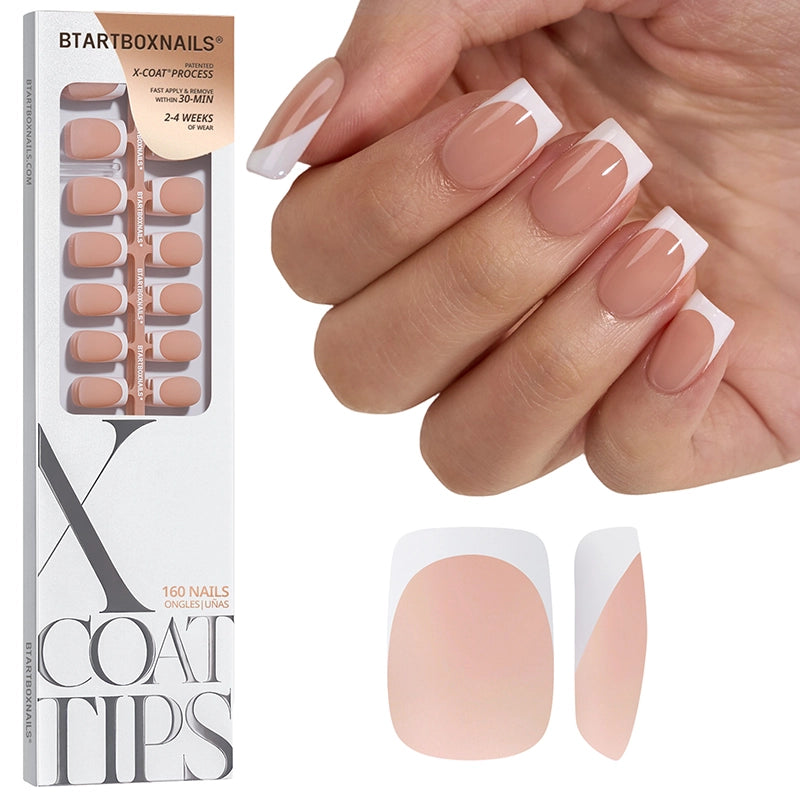






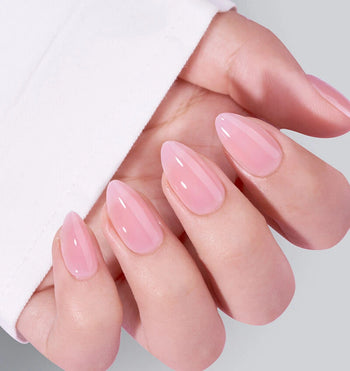
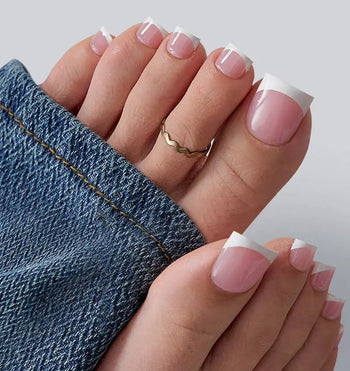




When it comes to making your manicure last, you may wonder about the differences between rubber base vs. builder gel. Both products help your nails look better and last longer, but they’re not the same.
Rubber base gel is great if your nails are weak or bendy. It adds a flexible layer that keeps your manicure looking fresh without feeling stiff.
Builder gel is harder and ideal for creating longer nails or repairing broken ones, providing extra thickness and strength. If you want stronger natural nails, go for a rubber base.
If you need length or serious repairs, choose builder gel. Both are easy to use at home, so simply choose the one that fits your style and needs.
Quick Takeaways ⚡:
- Rubber base vs builder gel: Both add strength but serve different purposes.
- Rubber base is flexible, ideal for thin, natural nails.
- Builder gel is strong, perfect for extensions or nail shaping.
- Choosing the right one depends on your nail needs and lifestyle.
- Learn which is better for durability, flexibility, and ease of use.
Rubber Base vs Builder Gel: What Are They?
Rubber base and builder gel are both popular choices in nail salons. Each has a unique texture and purpose, helping you get stronger and longer-lasting nails.
What is Rubber Base?
Rubber base is a type of gel polish that is thicker than regular gel base coats. Its formula gives it a flexible, rubbery feel, which helps it move with your natural nail. This prevents cracking and chipping.
It is self-leveling, so it spreads out smoothly with little effort. Rubber base acts as both a base coat and a strengthening overlay. Many people use it if their nails are thin, bendy, or weak.
Key points about rubber base:
- Thicker and more flexible than regular gel base
- Best for natural nails that bend easily
- Easy to apply and self-levels quickly
- Adds strength without making nails hard or stiff
You may want to use a rubber base if your nails often peel or break.
What is Builder Gel?
Builder gel is thicker and more complex than the rubber base. Its purpose is to add structure and support, letting you create stronger overlays or even extend your nails.

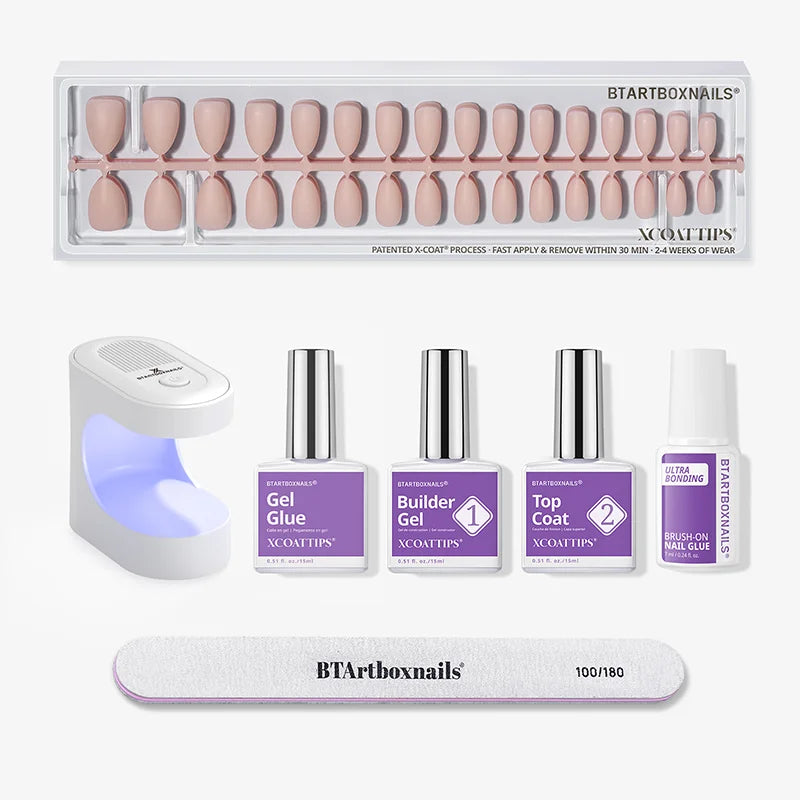
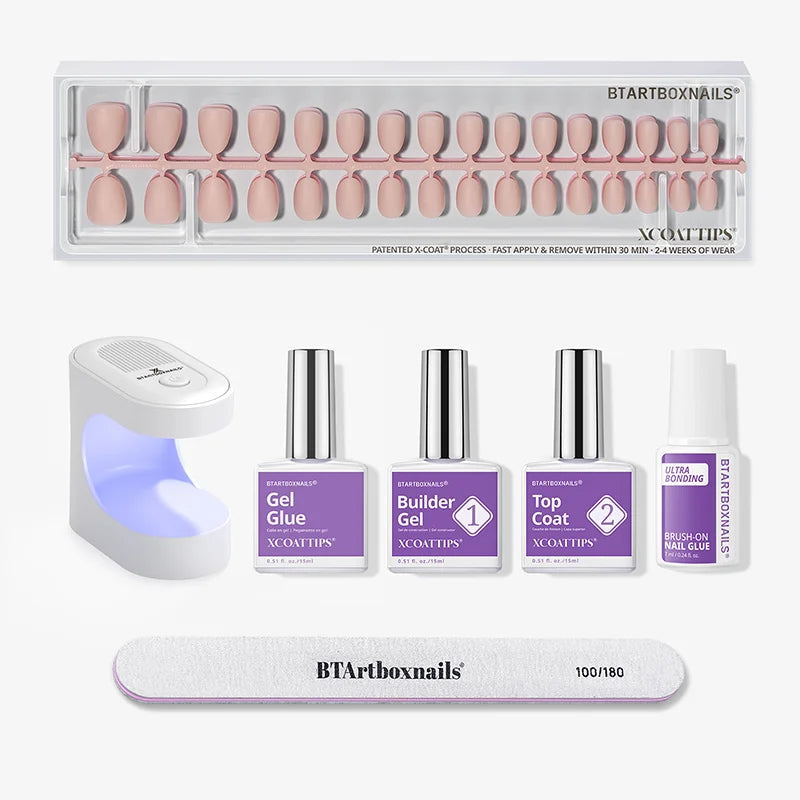
🛒 XCOATTIPS® Protecting Duo - Builder Gel + Top Coat
This type of gel is usually used to build up the nail surface. Some builder gels can even be shaped to make longer nails or repair broken ones.
Key points about builder gel:
- Dense texture, stronger and less flexible than rubber base
- Ideal for creating nail extensions or lasting overlays
- Used to reinforce or reshape natural nails
- Requires more skill to apply smoothly
Builder gel is a top pick if you want to add length or make your nails much stronger. Many nail artists choose builder gel for longer, more sculpted nails.
🎀 Also Read: Gel X vs. Builder Gel: Uses and Differences
Rubber Base vs Builder Gel: Key Differences Explained

🛒 XCOATTIPS Protecting Kit + Solid Gel + Lamp
Rubber base and builder gel each offer their own unique benefits for nail care. Knowing which one to choose will depend on your goals for strength, flexibility, and the desired appearance of your nails.
1. Composition & Consistency
📌 Rubber base is soft and flexible. It moves with your natural nail, making it ideal for those with bendy or thin nails.
This product is self-leveling, meaning it spreads smoothly and evenly over your nail with minimal effort. It is gentle for beginners and helps prevent cracks or chips caused by regular daily activities.
📌 Builder gel is much thicker. You can sculpt and shape it, which makes it perfect for building up the nail into a longer or stronger form.
It does not move as much, so you can create extensions and support weak areas. Builder gel needs more skill to control but gives lasting structure.
In summary:
- Rubber base: Softer, flexible, self-leveling
- Builder gel: Thicker, sculptable, holds its shape
Choose a rubber base for a flexible feel. Pick builder gel if you want strong, builder-like support.
2. Primary Uses
📌 The rubber base primarily serves as a protective shield. If your natural nails are weak, it adds a layer of strength that keeps them from snapping or peeling. Use it as an undercoat below gel polish to stop breakage and help polish last longer.
📌 Builder gel is designed for bigger tasks. You can use it to add length, repair a broken nail, or create a hard overlay on top of your natural nail. Many nail techs use builder gel for extensions and fills between salon visits.
Main ideas:
- Rubber base: Best for protecting and strengthening natural nails
- Builder gel: Best for building extensions, covering cracks, and creating overlays
Go with a rubber base for a strengthening layer and builder gel when you want to build or add length.
3. Finish & Appearance
📌 A rubber base usually provides a sheer, almost invisible finish. This makes your nails look natural and clean, perfect if you like a more "bare" or simple look. You can just top with clear polish for a tidy look.
📌 Builder gel can look sheer but is also available in opaque or colored types. You can use it for a simple look or add color and art for a more creative effect. It addresses flaws and provides more design options.
Tips:
- Rubber base: Sheer and natural-looking
- Builder gel: Sheer or opaque, more design choices
Use a rubber base if you want clean, natural nails. Pick builder gel if you want fuller coverage or more design options.
🎀 Also Read: Builder Gel vs Polygel: A Comparison Guide
Should I Use Builder Gel or Rubber Base?

🛒 XCOATTIPS Protecting Duo + Gel Glue
The best choice depends on your nail type, your goals, and your experience level with gel products. Each option works better for certain needs so you will get better results if you pick the right one.
For Weak or Peeling Nails
If your natural nails are weak, thin, or prone to peeling, a rubber base gel is usually the best choice. It is flexible and bends with your nail, so it is less likely to crack or lift. This makes it a great option if your nails split or chip often.
Key points:
- The rubber base acts as a strengthening layer.
- It helps prevent your nails from bending and breaking.
- It is self-leveling, so it goes on smoothly and evenly.
You can use a rubber base as a base coat, plus add one or two layers for extra support.
Pro Tip: Apply it under regular polish to shield weak nails.
For Extensions or Length
Builder gel is best for those who want to lengthen or add thickness to their nails. It is much harder than a rubber base and can hold its shape after curing. That is why salons use it for nail extensions and building structure.
Key points:
- Builder gel supports forms or tips for longer nails.
- It is strong enough to stop breaks on longer natural nails.
- It creates a durable, thick layer that lasts for weeks.
Your natural nail needs to be clean and dry before you start.
Pro Tip: Use builder gel with nail forms or tips to create custom nail shapes and lengths.
For Beginners
If you are new to gel nails, rubber base is easier to work with. It is less likely to run or pool, and mistakes are easier to fix. You will get more consistent results compared to builder gel.
Key points:
- Rubber base requires less skill than builder gel.
- Mistakes can be wiped away before curing.
- It is forgiving if you are not perfect with your application.
You can practice with rubber base and move up to builder gel later if you want to try nail extensions.
Pro Tip: Start with short nails using rubber base and build confidence before trying more advanced products.
🎀 Also Read: Hard Gel vs Builder Gel: Which One is Right for Your Nails?
Final Thoughts
When choosing between a rubber base and builder gel, consider what your nails need most. If flexibility is important to you, a rubber base is a good option because it bends with your nails and feels light.
For those who want extra strength or longer nails, builder gel offers a harder finish. You can shape and extend your nails more easily with builder gel, and it holds up well for overlays.
The rubber base does best on natural nails that are already strong but need protection from breaking. Builder gel works well if your nails are weak, thin, or you want to add length and structure.
You can also combine both products for even better results. Some people use rubber base as a foundation, then apply builder gel on top for extra strength.
Experiment with different methods to find what suits your routine and style
🎀 Also Read: Builder Gel vs Acrylic Nails: Understanding the Differences
Frequently Asked Questions
Rubber base gel and builder gel are both used to strengthen and improve nails, but they have different uses and benefits. Understanding how each product works, its expected lifespan, and the application method can help you determine which one best suits your needs.
Is a builder's base the same as a rubber base?
A builder's base and a rubber base are not the same. Rubber base gel is a type of base coat that is more flexible and slightly thicker than regular gel base coats. Builder gel, on the other hand, is thicker and meant for adding length or structure to your nails. You usually use builder gel to shape, strengthen, or extend the nail.
What is the benefit of rubber base gel?
Rubber base gel adds strength and flexibility to natural nails. It is especially helpful for nails that are soft, thin, or tend to bend. The gel can also help smooth out ridges and create a smooth surface for your color polish.
Does rubber base gel last longer?
The rubber base gel can last approximately 2 to 3 weeks on average. How long it lasts depends on your nail type and your daily activities. It may lift sooner on flexible nails, but it usually lasts as long as standard gel polish if applied properly.
How is rubber base gel properly applied?
Start by cleaning and prepping your natural nails. After that, apply a thin layer of rubber base gel and cure it under a UV or LED lamp. Sometimes a second layer is used for extra strength. After curing, you can apply color or finish as usual.
Can I use builder gel as a base coat?
Builder gel is not usually used as a base coat. It is meant to add structure, build thickness, or extend the nail. For optimal results, apply a suitable base coat, such as a rubber base gel or a regular gel base, before using builder gel.