










Natural nail care is the key to overcoming brittle, weak, or chemically damaged nails. Instead of relying on harsh salon treatments or quick fixes, a holistic, natural approach unlocks the secret to truly beautiful nails.
In this comprehensive guide, you’ll find everything you need to know about natural nail care, from simple daily routines and nourishing ingredients to lifestyle changes and advanced tips.
Discover how to achieve strong, healthy, and stunning nails while reducing chemical exposure and embracing sustainable beauty.
Anatomy of a Healthy Nail
Before diving into natural nail care techniques, it's important to understand what you're working with:
- Nail Plate: The visible part of your nail made of keratin protein
- Nail Bed: The skin beneath the nail plate that supplies nutrients
- Cuticle: The thin tissue that protects new nail growth from bacteria
- Eponychium: The living skin at the base of the nail (often mistakenly called the cuticle)
- Lunula: The white half-moon at the base of your nail
- Free Edge: The part that extends beyond your fingertip
Understanding these components helps you provide targeted care where it's needed most. Remember: the cuticle serves as your nail's natural protective seal—never cut it!
Signs of Unhealthy Nails

Your nails can reveal a lot about your overall health. Watch for these warning signs:
- Brittle or peeling nails: Often indicates dehydration or nutritional deficiencies
- White spots: Usually caused by minor trauma, not calcium deficiency as commonly believed
- Ridges: Vertical ridges are normal and may increase with age; horizontal ridges might signal health concerns
- Yellow discoloration: Could be staining from polish or a fungal infection
- Splitting or cracking: Suggests excessive dryness or exposure to harsh chemicals
If you notice severe changes in nail appearance, persistent pain, or signs of infection (redness, swelling, pus), consult a healthcare professional.
Daily Habits for Happy Nails

Gentle Cleaning and Drying
Natural nail care begins with proper hygiene. Clean under your nails daily using a soft nail brush. Always dry your hands and nails thoroughly after washing, paying special attention to the spaces between fingers and under nail tips where moisture can harbor bacteria and fungi.
Moisturize, Moisturize, Moisturize
Hydration is the foundation of natural nail care. Apply a nourishing hand cream at least twice daily, focusing on the cuticles and surrounding skin. Follow with a natural oil (jojoba, almond, or olive) directly on cuticles and under the free edge. This simple step prevents the dryness that leads to splitting and peeling.
Protect Your Nails
Prevention is always easier than repair. Wear gloves when:
- Washing dishes or cleaning
- Gardening
- Working with chemicals
- Handling rough materials
This simple habit protects your nails from unnecessary damage, dehydration, and chemical exposure.
Weekly Natural Nail Pampering Session

Gentle Filing and Shaping
How you file matters more than how often. Follow these natural nail care best practices:
- Use a glass file or fine-grit emery board (180 grit or higher)
- Always file in one direction, not back and forth (which causes splitting)
- Shape nails to mirror your cuticle line for maximum strength
- Opt for slightly rounded or "squoval" shapes instead of sharp points or extreme squares
Soaking and Cuticle Care
For a nourishing natural soak:
- Fill a small bowl with warm water
- Add 1 tablespoon of olive or jojoba oil
- Optional: 2-3 drops of tea tree oil (antibacterial) or lavender (calming)
- Soak fingertips for 5-10 minutes
- Gently push back softened cuticles with a wooden orange stick
- NEVER cut or trim cuticles, this removes your nail's protective seal
Buffing for Natural Shine
A properly buffed nail reflects light beautifully without polish:
- Use a multi-sided buffer, following the numbered sequence
- Buff gently and briefly—excessive buffing thins nails
- Limit buffing to once every 1-2 weeks
- Follow with cuticle oil to restore moisture
Deep Hydration Mask or Treatment
Once weekly, treat your nails to intensive natural care:
- Apply a generous layer of pure shea butter, coconut oil, or a blend of natural oils to hands and nails
- Put on cotton gloves
- Leave on overnight while you sleep
- Wake up to remarkably soften cuticles and more flexible nails
Avoiding Harmful Habits and Practices

Say NO to Nail Biting and Picking
Biting damages more than appearance, it transfers bacteria from mouth to nail bed and creates tears that invite infection. Break this habit by:
- Applying bitter-tasting nail treatments
- Keeping nails trimmed and filed smooth
- Identifying and addressing trigger situations
- Using stress balls or fidget toys for nervous energy
Nails Are Not Tools
Using nails as tools is a leading cause of breakage and damage. Avoid using your nails to:
- Open cans or packages
- Remove staples
- Scrape off labels
- Pry things open
Keep proper tools handy instead, your nails will thank you.
Be Mindful of Water Exposure
While proper hydration inside the body strengthens nails, excessive external water exposure weakens them by expanding and contracting the nail plate. Limit:
- Long baths or showers
- Frequent swimming without protection
- Dishwashing without gloves
- Leaving nails wet for extended periods
Essential Nutrients for Optimal Nail Health
Natural nail care works from the inside out. These nutrients are vital:
Biotin (Vitamin B7)
- This B vitamin strengthens brittle nails and promotes growth.
- Food sources: Eggs, salmon, avocados, nuts, seeds, sweet potatoes
- Daily target: 30-100 mcg (higher doses may be recommended for nail strength)
Protein
- Your nails are made of keratin protein, so adequate intake is crucial.
- Food sources: Chicken, fish, beans, lentils, Greek yogurt, quinoa
- Tip: Include protein at every meal for consistent nail nourishment
Omega-3 Fatty Acids
- These healthy fats improve nail flexibility and prevent brittleness.
- Food sources: Flaxseeds, walnuts, chia seeds, fatty fish (salmon, mackerel)
- Benefit: Reduces inflammation and improves moisture retention in nail beds
Iron
- Iron deficiency can cause spoon-shaped or ridged nails.
- Food sources: Spinach, lentils, grass-fed beef, pumpkin seeds
- Absorption tip: Pair with vitamin C foods to enhance iron absorption
Zinc
- This mineral is essential for cell growth and protein synthesis.
- Food sources: Oysters, pumpkin seeds, cashews, chickpeas
- Deficiency signs: White spots, slow growth, and brittleness
Vitamins A and C
- These antioxidants support collagen production and protect nail cells from damage.
- Food sources: Carrots, sweet potatoes, citrus fruits, bell peppers, berries
- Benefit: Strengthens connective tissue around nail bed and improves resistance to environmental damage
Hydration is Key Drink Your Way to Healthy Nails
Proper hydration is one of the simplest yet most powerful ways to support natural nail care. Your nails are made up of layers of keratin, and just like your skin and hair, they need moisture to stay strong, flexible, and healthy. When your body is dehydrated, nails can become dry, brittle, and more prone to splitting or peeling.
Aim to drink at least 8 glasses (about 2 liters) of water each day, adjusting for your activity level and climate. If you notice your nails are dry or break easily, increasing your water intake can make a noticeable difference over time.
In addition to plain water, herbal teas such as chamomile, peppermint, or rooibos are hydrating and provide antioxidants that may benefit overall nail health.
Incorporate water-rich fruits and vegetables into your diet, think cucumbers, watermelon, oranges, strawberries, and celery. These foods not only hydrate but also supply vitamins and minerals that further support nail strength and growth.
Remember, caffeinated drinks and alcohol can actually dehydrate your body, so balance them with extra water. By prioritizing hydration as part of your natural nail care routine, you'll help your nails remain resilient, shiny, and less prone to damage.
Your Natural Nail Product Checklist

Cuticle Oils and Balms
The most effective natural nail care products focus on cuticle health:
Best Natural Ingredients:
Jojoba oil: Most similar to your skin's natural sebum
Sweet almond oil: Rich in vitamin E and easily absorbed
Coconut oil: Antimicrobial and deeply moisturizing
Vitamin E oil: Repairs and protects nail tissue
Tea tree oil: Natural antifungal (use diluted)
DIY Cuticle Oil Recipe:
1 tablespoon jojoba oil
1 tablespoon sweet almond oil
5 drops vitamin E oil
2 drops tea tree oil (optional)
Small glass bottle with dropper or roller ball
Mix ingredients and apply to cuticles morning and night.
Hand Creams and Lotions
Look for products containing:
- Shea or cocoa butter
- Natural plant oils
- Glycerin
- Aloe vera
- Vitamin E
Avoid: Parabens, synthetic fragrances, alcohol, and petroleum-based ingredients which can dry nails over time.
Nail Strengtheners and Treatments
Natural alternatives to chemical hardeners:
- Horsetail extract (silica-rich)
- Myrrh extract
- Wheat protein
- Aloe vera
- Vitamin E
Choose products labeled "at least 5-free" (no formaldehyde, toluene, DBP, formaldehyde resin, or camphor).
Non-Toxic Nail Polish and Removers
When you do want color, opt for:
- Water-based polishes
- "10-free" or higher formulations
- Soy-based or acetate-based removers instead of acetone
- Removers with added moisturizers like vitamin E or argan oil
DIY Natural Nail Remedies for Common Concerns

For Brittle or Peeling Nails
Olive Oil and Lemon Soak:
- Warm 1/4 cup olive oil
- Add 1 teaspoon fresh lemon juice
- Soak nails for 10 minutes
- Repeat 2-3 times weekly
Beer Soak for Strength:
The malt and yeast in beer contain proteins that strengthen nails.
- Let a small amount of beer reach room temperature
- Soak nails for 10-15 minutes
- Rinse and moisturize
For Yellowed Nails
Lemon Brightening Treatment:
- Slice a lemon in half
- Rub the cut side directly on nails for 30-60 seconds
- Rinse and apply oil
- Use weekly (too often will dry nails)
Baking Soda Scrub:
- Mix 1 tablespoon baking soda with a few drops of water to form a paste
- Gently scrub nails with a soft toothbrush
- Rinse and hydrate
For Dry Cuticles
Honey Cuticle Mask:
- Mix 1 teaspoon raw honey with 1 teaspoon coconut oil
- Apply to cuticles and surrounding skin
- Leave on for 10 minutes
- Rinse with warm water
For Minor Infections
Tea Tree Oil Treatment:
- Mix 1-2 drops tea tree oil with 1 teaspoon coconut oil
- Apply to affected area with a cotton swab
- Repeat twice daily
Important: Consult a doctor for severe or persistent infections
Seasonal Nail Care
Winter Nail Protection
Cold weather and indoor heating create the perfect storm for dry, brittle nails. Enhance your natural nail care routine during winter months:
- Increase moisturizing frequency to 3-4 times daily
- Use richer oils like avocado or argan instead of lighter ones
- Wear gloves outdoors to protect from cold, dry air
- Add a humidifier to your home to combat indoor heating
- Take shorter showers with lukewarm (not hot) water
- Apply cuticle oil before bed and wear cotton gloves overnight
Summer Nail Nurturing
Summer brings its own challenges to natural nail care:
- Applying sunscreen to hands and nails UV damage affects nails too!
- Reapply moisturizer after swimming in pools or ocean
- Rinse nails with fresh water immediately after swimming in chlorinated pools
- Increase water intake to combat dehydration from heat
- Keep nails shorter for active summer lifestyles
- Try water-based nail polish instead of conventional formulas
Proper Tool Hygiene for Nails

Clean tools are essential for effective natural nail care and preventing infections:
Cleaning Your Nail Tools
For Metal Tools (clippers, pushers):
- Wash with antibacterial soap and warm water
- Soak in 70% isopropyl alcohol for 10 minutes
- Rinse thoroughly and dry completely
- Store in a clean, dry container
For Files and Buffers:
- Brush away debris with a clean, dry toothbrush
- Wash with soap and water if possible (glass files only)
- Spray with alcohol and allow to air dry
- Replace emery boards and foam buffers regularly, they cannot be thoroughly sanitized
When to Replace Tools
Nail clippers: When they become dull or misaligned
Glass files: Can last years with proper care
Emery boards: Every 3-5 uses
Buffers: When surfaces become worn or discolored
Orange sticks: After each use (or clean thoroughly between uses)
Investing in quality tools for your natural nail care routine pays off in healthier nails and fewer problems over time.
Rest Your Nails
Even the most devoted natural nail care enthusiasts need to give their nails regular breaks:
Nail Polish Breaks
- Allow nails to "breathe" without polish for at least 1 week every month
- Use this time to focus on intensive hydration and strengthening
- Observe your natural nails for any issues that might be hidden under polish
Recovery from Artificial Nails
If transitioning from acrylics, gels, or dips to natural nails:
- Expect a 3-6 month recovery period for full nail health restoration
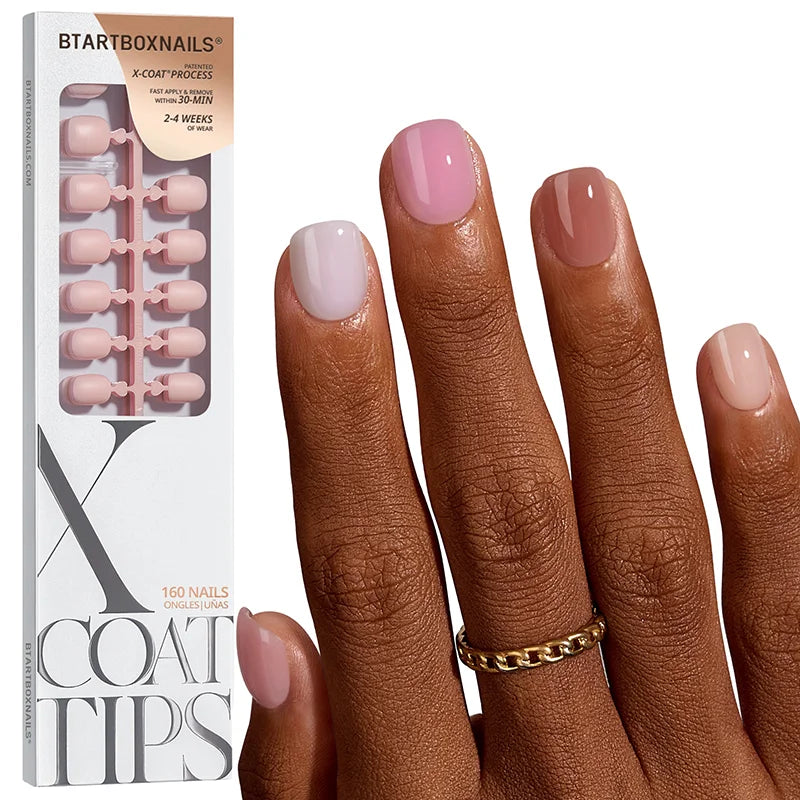
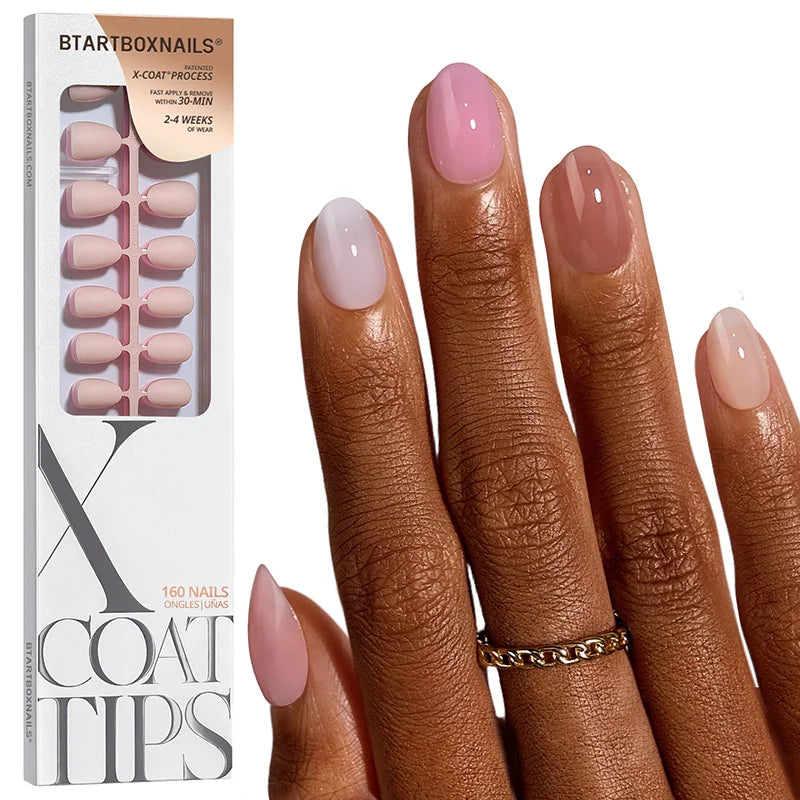
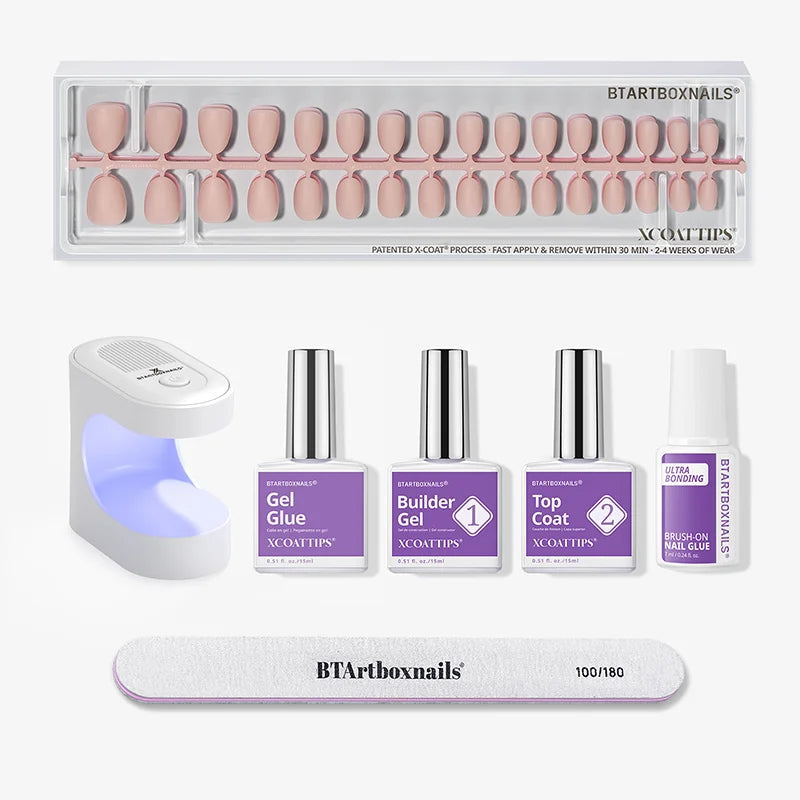
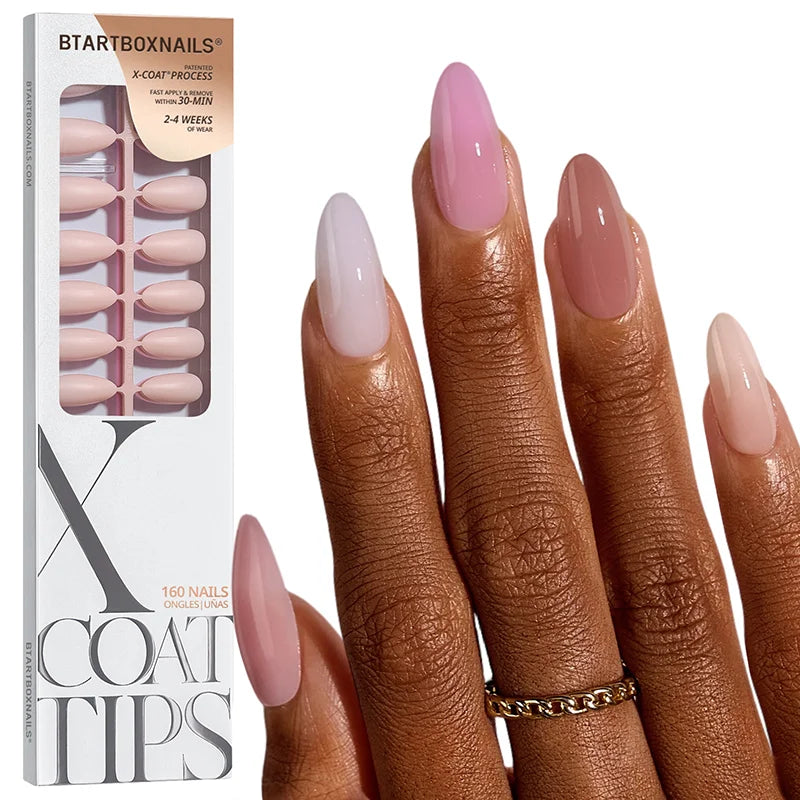
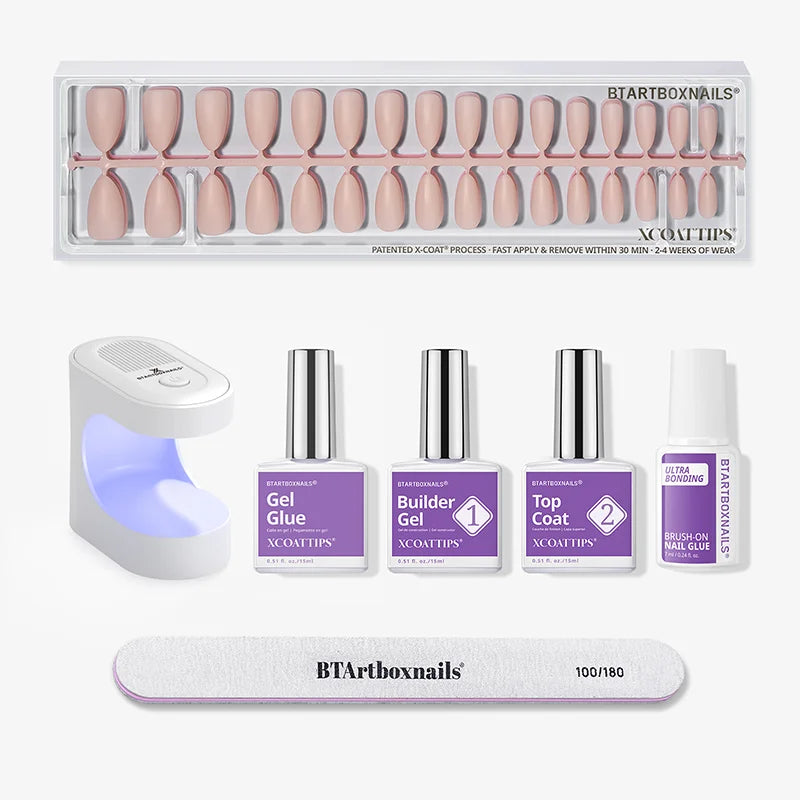
- Consider high-quality press-on nails as a gentler alternative during the transition
- Choose press-ons with non-damaging adhesive tabs rather than harsh glue
- Apply press-ons only for special occasions, allowing nails recovery time between uses
- Remove press-ons carefully following package instructions to prevent nail damage
- Focus on intensive hydration and strengthening treatments between press-on applications
- Use nail strengtheners containing keratin or wheat protein during bare nail periods
- Be patient, damaged nails need time to grow out completely
- Consider biotin supplements to support healthy growth (consult your healthcare provider)
Nail Growth Cycle
Understanding your nails' natural growth helps set realistic expectations:
- Fingernails grow approximately 3.5mm per month
- A nail takes 4-6 months to grow from base to tip
- Growth slows with age and certain health conditions
- Consistent care yields visible improvements within 2-4 weeks, but complete transformation takes several months
Advanced Natural Nail Care Tips

Nail Massage for Circulation
Stimulating blood flow to the nail bed promotes stronger, faster growth:
- Apply a drop of oil to each nail
- Use your thumb to massage the base of each nail in circular motions
- Gently press and release along the nail bed
- Spend 15-30 seconds per nail
- Practice daily for best results
The Right Diet for Your Nail Type
For soft, brittle nails:
- Increase protein, biotin, and silica (beans, fish, horsetail tea)
- Add collagen-boosting foods (bone broth, berries, citrus)
For ridged nails:
- Focus on vitamin A and omega-3 fatty acids
- Ensure adequate iron and zinc
For slow-growing nails:
- Increase protein and biotin
- Add circulation-boosting spices like cayenne and ginger to meals
Natural Nail Hardeners
Instead of chemical hardeners, try these natural alternatives:
- Coconut oil and garlic: Mix crushed garlic with coconut oil, apply to nails, rinse after 20 minutes
- Tea soak: Steep 2 black tea bags in warm water, soak nails for 10 minutes
- Apple cider vinegar: Mix equal parts with water, soak for 5 minutes twice weekly
Common Mistakes in Natural Nail Care
Overusing Hand Sanitizer
While hygiene is important, alcohol-based sanitizers are extremely drying. When possible:
- Wash with gentle soap and water instead
- Follow sanitizer use with immediate moisturizing
- Choose sanitizers with added moisturizers when available
Filing Wet Nails
Filing nails when wet makes them more prone to splitting and peeling:
- Always file completely dry nails
- File gently in one direction only
- Use the finest grit file appropriate for your nail thickness
Ignoring Early Warning Signs
Pay attention to these indicators that your natural nail care routine needs adjustment:
- Increased white spots
- Peeling at the free edge
- Cuticle redness or inflammation
- Changes in nail color or texture
- Painful pressure or sensitivity
Conclusion
Natural nail care is a holistic commitment that delivers lasting beauty through patience rather than quick fixes.
By following a few core principles: hydrating inside and out, protecting from harsh elements, nourishing with natural oils, maintaining consistency, and giving nails polish breaks, you'll cultivate truly healthy nails.
This journey unfolds gradually; expect initial improvements within weeks, but complete transformation takes months as new growth emerges. Celebrate small victories like reduced peeling or healthier cuticles along the way.
Beyond aesthetics, your natural nail care routine is genuine self-care that reduces chemical exposure while supporting overall wellbeing. Start today with just one simple change, then build your routine gradually.
Your nails will reward your patience with strength and natural beauty that artificial enhancements simply cannot match.
Frequently Asked Questions
How often should I do a natural nail care routine?
A basic natural nail care routine involving moisturizing nails and cuticles should be done daily. A more comprehensive routine, including gentle filing, cuticle pushing, and deep hydration, is typically recommended weekly. Consistency is key for optimal results.
Can natural nail care really fix severely damaged nails?
While natural nail care significantly promotes healthy nail growth and improves the condition of damaged nails over time, severely damaged nails (e.g., from extensive chemical exposure, trauma, or underlying health issues) may require professional medical advice from a dermatologist. Natural care supports healing but might not be a quick fix for severe problems.
What natural ingredients are best for nail strengthening?
For natural nail care strengthening, look for ingredients like biotin (often taken as a supplement), protein-rich foods, and topical applications of nourishing oils such as jojoba oil, almond oil, coconut oil, and vitamin E oil. These ingredients help improve nail flexibility, reduce breakage, and promote healthy growth.
Is it okay to cut my cuticles in natural nail care?
Answer: No, in natural nail care, it is strongly advised not to cut your cuticles. Cuticles act as a protective barrier against bacteria and infections. Instead, gently push them back after softening them with warm water and cuticle oil. Trimming them can lead to painful infections and damage the nail matrix.