








Un pennello per nail art per punte francesi può essere la tua arma segreta per ottenere quella linea bianca perfetta e nitida.
Per la nail art delle punte francesi, i pennelli piatti angolati e i pennelli liner sono le scelte migliori. I pennelli piatti angolati creano linee e curve nette e pulite, mentre i pennelli liner, soprattutto in diverse lunghezze, sono perfetti per delineare e riempire le punte con precisione.
Puoi scegliere tra pennelli piatti, angolati o liner sottili a seconda del tuo stile e tecnica. Alcuni sono ottimi per punte rapide e audaci, mentre altri funzionano meglio per lavori dettagliati e delicati.
Il pennello giusto può anche aiutarti a pulire i bordi e mantenere lo smalto esattamente dove vuoi.
Pronto a trovare il pennello perfetto e imparare a usarlo come un professionista? Continua a leggere, le tue unghie francesi da sogno stanno arrivando.
Pennello per Nail Art per Punte Francesi: Le Basi

Un pennello per punte francesi di solito ha un bordo piatto, angolato o curvo per adattarsi alla curva naturale dell’unghia. Questa forma rende più facile dipingere la punta bianca in un unico movimento fluido.
I pennelli per nail art regolari spesso hanno punte rotonde o appuntite per disegni a mano libera. Queste forme non sono ideali per la linea precisa, dritta o curva, necessaria per le manicure francesi.
Molti pennelli per punte francesi sono disponibili in diverse dimensioni per abbinare la larghezza del pennello alla dimensione dell’unghia. Per esempio:
|
Dimensione del Pennello |
Ideale per |
|
Piccola (4–6 mm) |
Unghie corte o strette |
|
Media (6–8 mm) |
Larghezza media dell’unghia |
|
Grande (8–10 mm) |
Unghie larghe o lunghe |
Alcuni set includono anche strumenti a doppia estremità con una penna a punta tonda da un lato per aggiungere piccoli accenti o correggere imperfezioni.
Come il Pennello Giusto Fa la Differenza nella Tua Manicure Francese
Usare il pennello sbagliato può portare a linee irregolari, vernice striata o smalto che si diffonde nella base dell’unghia.
Un pennello ben fatto per punte francesi mantiene le setole ferme ma flessibili, così puoi controllare il flusso della vernice.
Setole di alta qualità, come peli di zibellino o fibre sintetiche fini, trattengono lo smalto in modo uniforme e lo rilasciano dolcemente. Questo ti aiuta a evitare di passare più volte sulla stessa zona, cosa che può causare sbavature.
Se lavori con sistemi gel o acrilici, il pennello giusto resiste ai danni dei solventi e si pulisce facilmente tra un uso e l’altro.
Puoi cambiare colore o prodotto senza che residui influenzino il tuo prossimo design. Un pennello preciso riduce anche la necessità di pulizia intorno alle cuticole e ai bordi laterali.
I Migliori Tipi di Pennelli per le Punte Francesi

Ogni tipo offre un diverso livello di controllo, copertura e finitura, a seconda della curva, profondità e spessore che desideri per la punta bianca.
Piatto Angolato Per Linee Sorriso Nitide
Un pennello piatto angolato è una delle scelte più popolari per creare le punte francesi. Il suo bordo inclinato ti permette di posizionare il colore esattamente dove vuoi senza trascinare lo smalto troppo in basso sull’unghia.
Puoi usare il lato più lungo del pennello per seguire la curva naturale della base dell’unghia. Il lato più corto ti aiuta a raggiungere gli angoli senza sbavature.
Per i migliori risultati, scegli un pennello con setole ferme ma flessibili. Questo ti dà abbastanza controllo per creare una linea del sorriso netta pur permettendo passate fluide.
I pennelli angolati piatti funzionano bene sia con smalto tradizionale che gel. Se usi gel, pulisci le setole tra una passata e l’altra per mantenere il bordo della punta nitido e uniforme.
Pennello per dettagli o liner per curve precise
Un pennello per dettagli o liner ha una punta extra fine, solitamente lunga 5–9 mm, ed è perfetto per linee delicate e curve. È particolarmente utile se preferisci una linea del sorriso profonda o hai unghie più corte dove la precisione è più importante.
Le setole sottili ti permettono di dipingere la punta con piccoli colpi controllati invece di una sola passata ampia. Questo riduce gli errori e facilita la correzione di bordi irregolari.
Puoi anche usare un pennello liner per rifinire la punta dopo aver applicato il colore principale con un altro pennello. Basta intingerlo in acetone o detergente per gel per pulire la linea del sorriso e ottenere una finitura da salone.
Per i principianti, iniziare con un pennello liner può aiutarti a imparare a controllare la curva prima di passare a pennelli più larghi.
Pennello a ventaglio o strumenti per puntini per variazioni creative
Un pennello a ventaglio non è il primo strumento a cui si pensa per le punte francesi, ma può creare bordi più morbidi e sfumati o design stratificati. È ottimo se vuoi un effetto sfumato o ombré invece di una punta bianca solida.
Gli strumenti per puntini, pur non essendo pennelli, sono utili per creare punte francesi arrotondate o smerlate. Puoi intingere l’estremità arrotondata nello smalto e tamponare lungo il bordo dell’unghia per una variazione giocosa. Questi strumenti funzionano meglio per manicure francesi creative o non tradizionali.
Ti permettono di sperimentare con colori, texture e motivi mantenendo la forma base della punta francese.
Se ti piace cambiare stile, tenere un pennello a ventaglio e qualche strumento per puntini nel tuo kit può offrirti più opzioni di design senza dover acquistare molti pennelli specializzati.
Come scegliere il pennello giusto

Piccole variazioni nel tipo di setole, dimensione e design del manico possono influenzare la facilità con cui crei una linea del sorriso liscia e bordi netti.
Tipo di setole: sintetiche vs naturali
Le setole influenzano come il pennello trattiene e applica lo smalto.
Le setole sintetiche (spesso nylon o Taklon) sono lisce, elastiche e resistono ad assorbire troppo prodotto. Sono più facili da pulire, il che è utile se alterni smalto gel e tradizionale.
Le setole naturali, come il kolinsky sable, sono più morbide e ti permettono di avere più controllo nei lavori di dettaglio fine. Trattengono bene lo smalto ma possono consumarsi più rapidamente se usi detergenti a base di acetone.
Se usi lo smalto gel per le punte francesi, le setole sintetiche di solito mantengono meglio la forma durante la polimerizzazione UV. Per lo smalto per unghie tradizionale, le setole naturali possono offrire una finitura più morbida.
|
Tipo di setole |
Ideale per |
Pro |
Contro |
|
Sintetico |
Smalto gel, principianti |
Durevole, facile da pulire, mantiene la forma |
Sensazione meno flessibile |
|
Naturale |
Smalto, dettagli fini |
Applicazione fluida, buon controllo |
Durata più breve, più difficile da pulire |
Dimensione in base alla forma dell’unghia
La larghezza del pennello dovrebbe corrispondere alla curva e alla larghezza delle tue punte delle unghie.
Un pennello più largo copre più superficie rapidamente, ideale per unghie più lunghe o larghe.
Un pennello più stretto ti dà più controllo per unghie corte o linee del sorriso profonde.
Per french tip in stile salone, molti professionisti usano un pennello largo tra 4mm e 7mm.
Se hai letti ungueali piccoli, un pennello da 4mm ti aiuta a evitare di dipingere fuori dall’area della punta.
Considera di tenere più di una misura nel tuo kit. Così puoi cambiare a seconda che lavori sulle tue unghie o su quelle di qualcun altro.
Comfort e controllo del manico
Un manico comodo ti aiuta a mantenere la mano ferma, specialmente quando dipingi la linea curva del sorriso.
Cerca manici leggeri che bilancino bene nella tua presa. Manici più spessi possono ridurre l’affaticamento della mano se dipingi a lungo. Manici sottili offrono più precisione per tratti brevi e veloci.
Alcuni pennelli per nail art hanno impugnature antiscivolo o superfici leggermente testurizzate per evitare scivolamenti se le mani si sporcano di prodotto.
Prova anche la lunghezza del manico: manici più corti possono sembrare più stabili per lavori ravvicinati, mentre quelli più lunghi offrono una migliore ampiezza di movimento.
Come usare un pennello per nail art per french tip

Precisione e controllo fanno la differenza tra una french tip pulita e una disordinata.
Il pennello giusto, mani ferme e tecnica adeguata ti aiutano a creare linee lisce e uniformi dall’aspetto professionale senza uscire di casa.
Preparazione di unghie e strumenti
- Inizia con unghie pulite e asciutte.
- Rimuovi lo smalto vecchio e lava le mani per eliminare oli o polvere.
- Lucida leggermente la superficie dell’unghia per far aderire meglio lo smalto.
- Spingi indietro le cuticole con un bastoncino spingi-cuticole. Questo ti dà più spazio per una linea della punta liscia.
- Applica una base protettiva per proteggere le unghie e prevenire macchie.
Disponi i tuoi strumenti:
- Pennello per nail art (sottile, angolato o a punta fine)
- Smalto per il colore della punta
- Base e top coat
- Piccolo piattino o palette per lo smalto
- Acetone e pennello per pulizia
Avere tutto pronto evita sbavature mentre cerchi gli strumenti durante l’applicazione.
Caricare il pennello con lo smalto
- Versa una piccola quantità di smalto su una palette invece di immergere direttamente nel flacone. Questo ti dà più controllo sulla quantità di prodotto sul pennello.
- Immergi solo la punta del pennello nello smalto.
- Elimina l’eccesso sul bordo della palette per evitare tratti spessi e irregolari.
- Uno strato sottile e uniforme è più facile da controllare e si asciuga più rapidamente. Se lo smalto è troppo denso, può trascinare e creare linee irregolari.
- Puoi aggiungere una goccia di diluente per smalto (non solvente) per migliorare la scorrevolezza. Questo aiuta il pennello a scivolare senza intoppi sulla superficie dell’unghia.
Freehand vs. Uso delle guide
Freehand ti offre flessibilità. Ecco come usare questa tecnica:
- Appoggia la mano che dipinge su una superficie piana per stabilizzarla.
- Inizia da un lato della punta dell’unghia e passa il pennello in un unico movimento.
- Per le curve a sorriso, inclina leggermente il pennello e segui la forma naturale dell’unghia.
Le guide o gli adesivi per la punta delle unghie aiutano se vuoi risultati costanti senza molta pratica. Le guide sono ottime per i principianti o quando hai bisogno di punte identiche su entrambe le mani.
Ecco come fare questa tecnica:
- Posiziona la guida appena sotto il punto in cui vuoi la linea della punta.
- Premi con decisione per evitare che lo smalto si infiltri sotto.
- La mano libera può sembrare più naturale se hai una mano ferma.
Puoi combinare entrambi i metodi: usa le guide per la mano dominante e la mano libera per l’altra.
Ritocchi rapidi per gli errori
Se lo smalto finisce sulla pelle o la linea appare irregolare, immergi un piccolo pennello per la pulizia nell’acetone. Passalo delicatamente lungo il bordo della punta per definire la linea.
Per piccole scheggiature o spazi vuoti, lascia asciugare lo smalto. Riempili con un pennello fine invece di rifare tutta l’unghia.
Tieni a portata di mano un cotton fioc e acetone per ritocchi veloci. Lavorare lentamente e correggere gli errori man mano rende tutto più semplice dopo.
Un buon pennello per nail art per le French tip è solo l’inizio. Scopri altri strumenti indispensabili nella nostra guida su I 10 migliori strumenti per nail art per principianti e professionisti.
Consigli professionali per una French manicure perfetta

Precisione e controllo sono fondamentali per creare una French tip pulita. La forma giusta del pennello, una mano ferma e la consistenza dello smalto giocano tutti un ruolo nel ottenere risultati nitidi, uniformi e professionali.
Piccole modifiche nella tecnica possono davvero cambiare il risultato finale. Noterai che anche piccoli aggiustamenti fanno la differenza.
Mantenere le linee uniformi e simmetriche
Inizia posizionando la mano su una superficie piana e stabile per evitare tremolii. Appoggia il polso della mano che dipinge sul tavolo per avere più controllo.
Usa un pennello per nail art a punta fine o un pennello corto e piatto per disegnare la linea del sorriso in un unico movimento fluido. Cerca di non fermarti a metà linea perché può causare bordi irregolari.
Per la simmetria, dipingi prima entrambi gli indici, poi confrontali prima di procedere. Questo ti aiuta a correggere l’angolo se un lato curva diversamente.
Se le linee a mano libera ti mettono ansia, prova le guide per unghie o il washi tape come stencil. Funzionano particolarmente bene per i principianti o quando lavori su unghie più corte.
Tieni a portata di mano un piccolo pennello angolato per la pulizia, immerso in acetone o solvente per smalto. Passalo leggermente lungo il bordo della punta per definire la curva senza rimuovere troppo smalto.
Tecniche con pennelli per gel vs. smalto tradizionale
Quando usi lo smalto gel, prendi un pennello leggermente più spesso per stendere il prodotto senza striature. Il gel rimane lavorabile fino a quando non lo polimerizzi, quindi prenditi il tempo necessario per modellare la punta prima di metterlo sotto la lampada.
Con lo smalto tradizionale, la velocità è importante. La formula si asciuga più rapidamente, quindi usa un tocco più leggero e meno passate per evitare di trascinare lo smalto.
Per il gel, passa delicatamente il pennello sulla superficie dell’unghia e lascia che il prodotto si livelli da solo. Per lo smalto normale, premi un po’ più forte il pennello sull’unghia per controllare la curva.
Le punte French perfette stanno meglio su unghie pulite e sane. Scopri come mantenerle impeccabili in Come Pulire Sotto le Unghie: 5 Consigli Veloci, Facili ed Efficaci.
Oppure… Salta il Pennello e Usa le Press-On
Puoi ottenere punte French nitide e uniformi senza dipingere una sola linea. Le press-on pre-fatte ti danno la curva, il colore e la finitura esatti ogni volta.
Puoi applicarle in pochi minuti a casa. Sono facili da rimuovere o sostituire quando vuoi un altro stile.
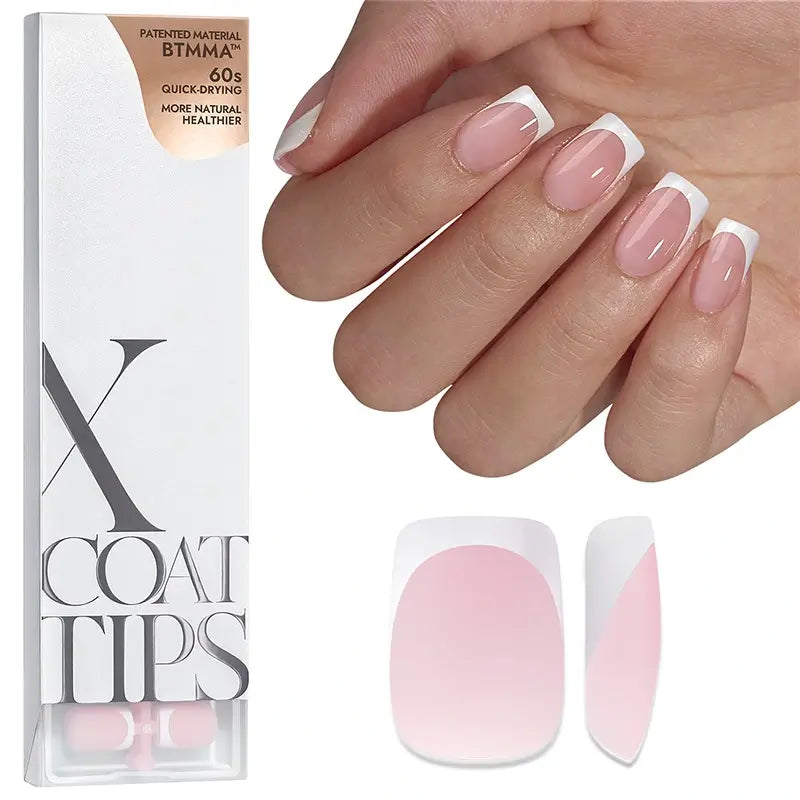
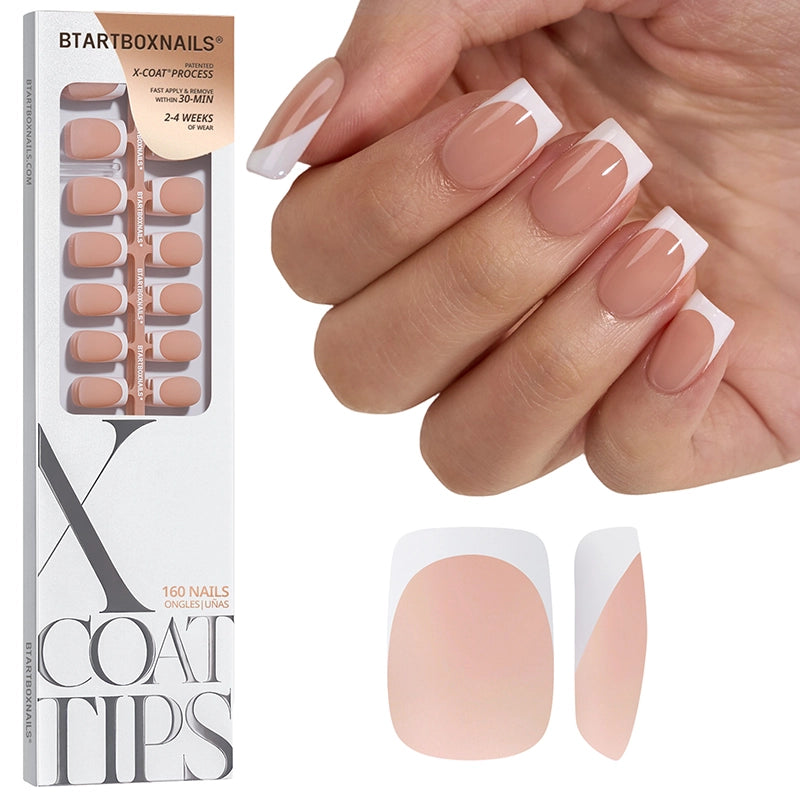
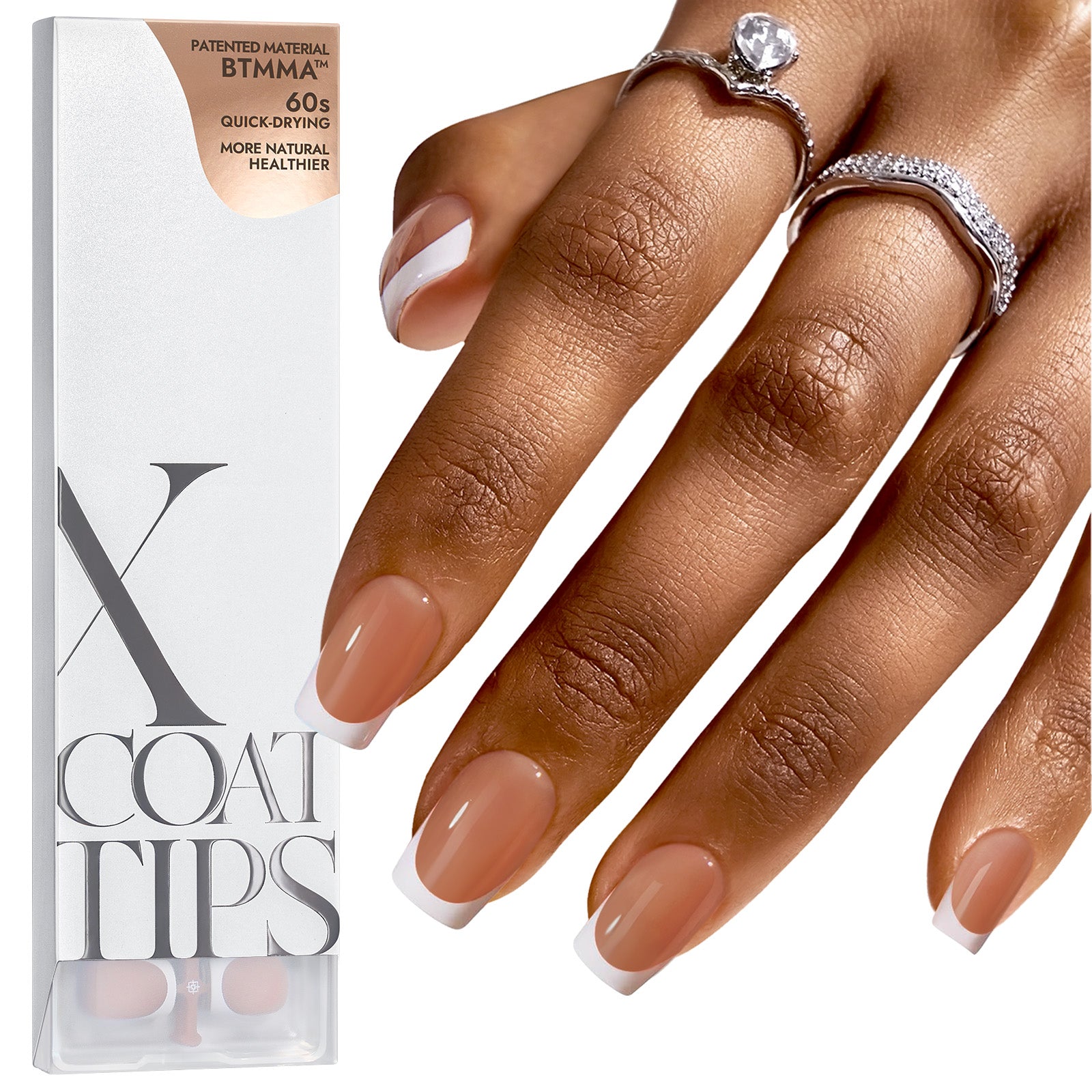
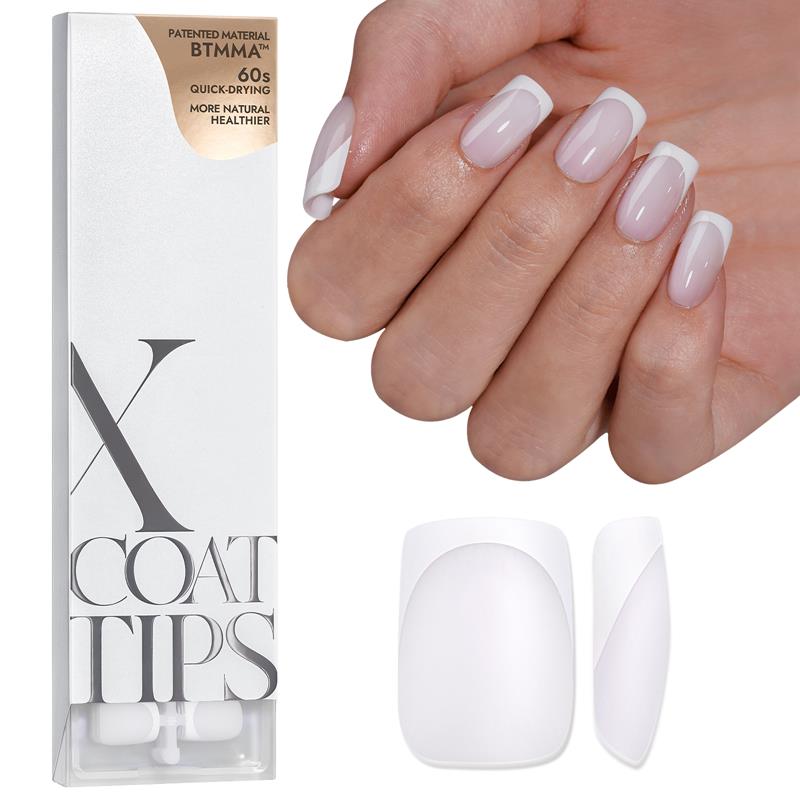
Prova le French Tip Press-On Predefinite di BTArtbox!
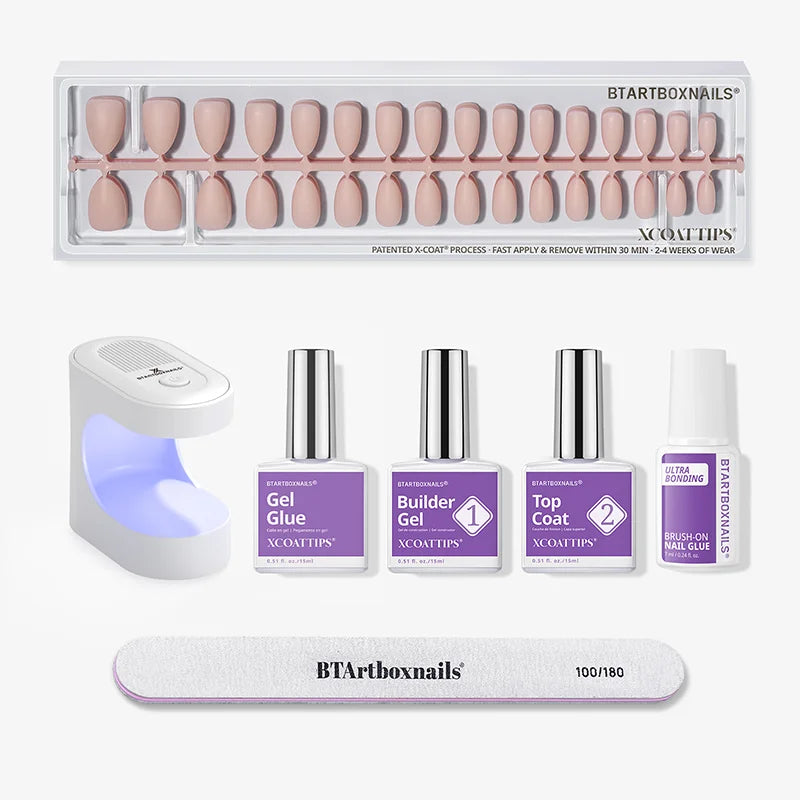
BTArtbox offre unghie press-on preformate con French tip in stile mandorla, bara e quadrato. Ogni set solitamente contiene 24–30 unghie in varie misure, così puoi abbinarle a ogni dito per una vestibilità naturale.
Le punte hanno già una linea di sorriso pulita dipinta, quindi non devi preoccuparti di mani tremolanti o bordi irregolari. La finitura è liscia e lucida, proprio come le unghie in gel dal salone.
L’applicazione è semplice:
- Pulisci e lucida le unghie.
- Applica le linguette adesive incluse o la colla per unghie.
- Premi ogni unghia con fermezza per 10–15 secondi.
Con la preparazione adeguata, possono durare fino a due settimane. Puoi anche limarle o accorciarle dopo l’applicazione per una forma personalizzata.
Forma Perfetta, Niente Disordine, Zero Tempi di Asciugatura
Il vantaggio più grande è il tempo. Salti la base, la pittura delle punte e il top coat — e non serve asciugatura o polimerizzazione.
Una volta applicate, hai finito. Sono anche senza disordine.
Niente smalto sulla pelle, niente pennello per la pulizia e nessun rischio di sbavature. Se un’unghia si stacca, puoi sostituirla in meno di un minuto.
Le unghie press-on mantengono una forma e uno spessore costanti, cosa difficile da ottenere con la pittura a mano libera. Puoi scegliere tra lunghezze corte, medie o lunghe senza preoccuparti di abbinare ogni unghia da solo.
Questo li rende ideali per eventi dell’ultimo minuto, viaggi o quando vuoi un look curato senza sforzi extra.
Stili Diversi per Abbinarsi al Tuo Umore
BTArtBox non realizza solo classici French tips—offre anche una varietà di look predefiniti così puoi cambiare stile quando vuoi. Dai pastelli morbidi e delicati a stampe animali audaci e finiture scintillanti ispirate alle sirene, c’è un set per ogni umore e occasione.

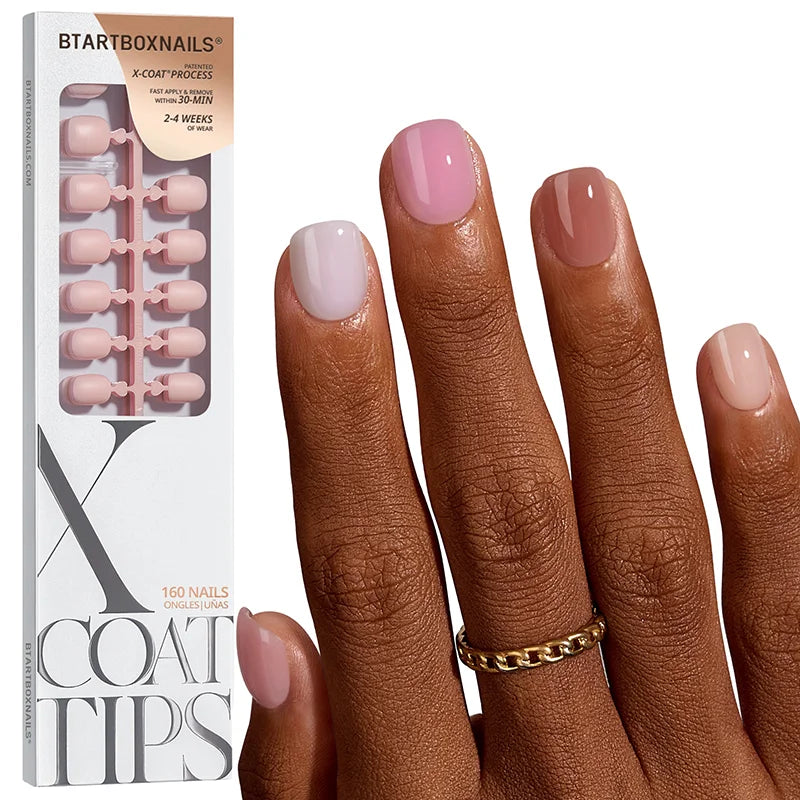
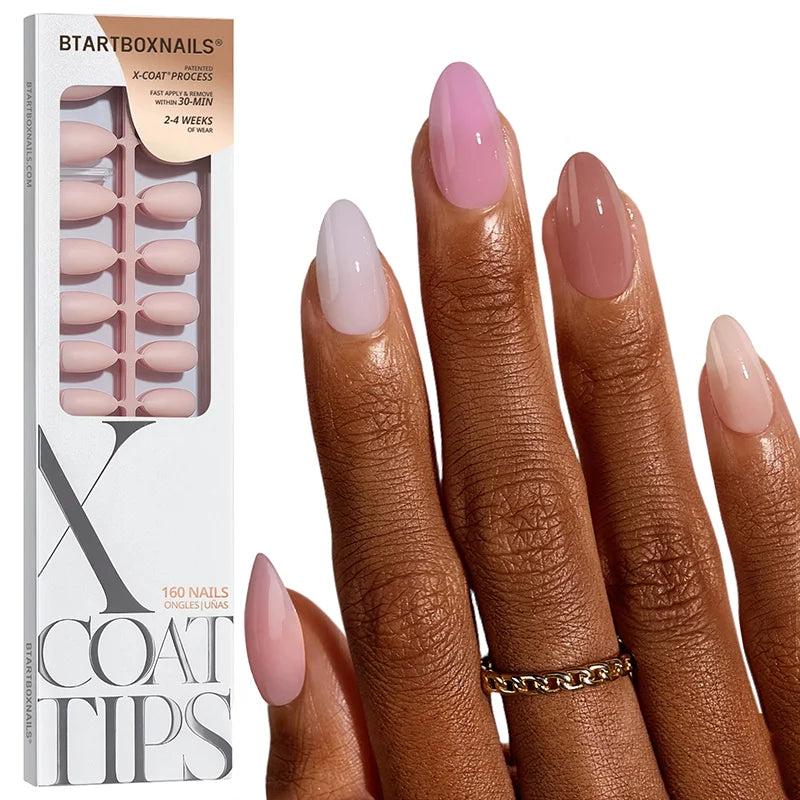
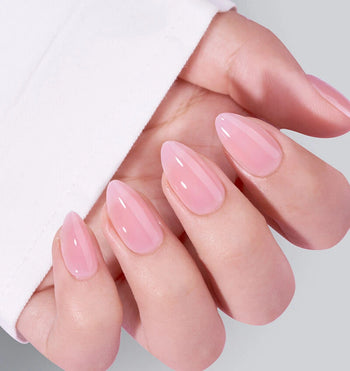
XCOATTIPS® French - Punte Rosa Pastello Mandorla Corta
Questo set dà un tocco dolce al classico French manicure con punte rosa pastello morbide. La forma mandorla corta è lusinghiera e comoda per l’uso quotidiano. Perfetto per la primavera, brunch o semplicemente per aggiungere un tocco di eleganza al tuo look quotidiano.

Unghie Mandorla Ghepardo Selvaggio - XCOATPRESS
Scegli un design audace con una stampa ghepardo feroce che fa subito colpo. La forma mandorla allunga le dita mantenendo un aspetto chic e alla moda. Ideali per serate fuori, festival o ogni volta che vuoi distinguerti dalla massa.

Unghie Ovali Chic Twins - XCOATPRESS
Con un design moderno a doppia tonalità, questo set offre un tocco minimalista ma alla moda. La forma ovale è versatile e valorizzante, facile da abbinare sia a outfit casual che professionali. È una scelta ottima per i giorni di lavoro, i weekend o un glamour discreto.

Unghie Mandorla Coda di Sirena - XCOATPRESS
Con una finitura iridescente e scintillante ispirata ai toni dell'oceano, queste unghie portano un'atmosfera giocosa ma elegante. La forma mandorla aggiunge sofisticatezza al design divertente. Sono perfette per uscite estive, vacanze al mare o ogni volta che vuoi aggiungere un po' di brillantezza alla tua giornata.
Considerazioni finali
Una manicure French perfetta non riguarda solo lo smalto—inizia con l'uso del pennello giusto per le French tip e sapere come maneggiarlo. I pennelli piatti angolati danno linee nitide, mentre i pennelli liner sottili aiutano a realizzare curve delicate.
Con lo strumento giusto, un po' di cura e un po' di pratica, puoi ottenere punte impeccabili da salone a casa. Vuoi variare? Prova design French colorati o moderni per un tocco fresco.
Hai poco tempo? Prendi le French tip pre-designate di BTArtBox in bianco classico o in stili audaci e vivaci per un glamour istantaneo. Le tue unghie, il tuo stile—falli brillare.
Una volta che hai padroneggiato le French tip con il pennello giusto, prova nuovi stili. Lasciati ispirare dal nostro 20 design eleganti di unghie con gel builder per ispirarti.
Domande Frequenti
Quale misura di pennello usare per le French tip?
Per la maggior parte delle French tip, un pennello piatto o angolato da 4–7 mm funziona bene. Setole più corte ti danno più controllo per creare la linea curva del sorriso, mentre setole più lunghe coprono più superficie in una sola passata.
Se ti piacciono le punte molto sottili e delicate, prova un pennello da dettaglio da 4 mm. Per punte più marcate, scegli uno da circa 7 mm.
Quali pennelli usano per la nail art?
Per le French tip, spesso si usano pennelli piatti, angolati o liner. I pennelli piatti aiutano a coprire in modo uniforme, quelli angolati facilitano il seguire la curva dell'unghia, mentre i pennelli liner sono ottimi per i dettagli precisi.
Molti nail artist tengono una varietà di misure per poter cambiare a seconda della lunghezza e dello stile dell'unghia.
Si possono fare le French tip a mano libera?
Sì, con un po' di pratica puoi farle a mano libera. Una mano ferma e il pennello giusto sono fondamentali.
Appoggia la mano con cui dipingi su una superficie piana per ridurre le vibrazioni. Inizia con una linea sottile al bordo dell'unghia, poi aumenta lentamente lo spessore fino a raggiungere l'aspetto desiderato.
Come fare il trucco per le unghie French tip?
Ecco un trucco super facile: prendi degli adesivi guida per French tip. Attaccane uno proprio sotto dove vuoi la punta bianca.
Dipingi sopra l'adesivo, poi staccalo. Otterrai un bordo nitido e pulito quasi sempre.
C'è anche il metodo del pennello rotante. Tieni il pennello di lato, poi ruota delicatamente il dito invece di muovere il pennello stesso.
Questo piccolo movimento aiuta davvero a mantenere la curva uniforme su entrambi i lati. Onestamente, ci vuole un po' di pratica, ma ne vale la pena.