









You can play guitar with long nails by changing your technique and using a few simple tricks. Many people think long nails and a guitar don't mix, but that's not true.
You need to learn how to adjust your hand position, how you press the strings, and the way you strum or pick.
Some famous musicians, like Dolly Parton, play guitar with long nails. You can use your nails to help with fingerpicking or to get a softer sound when strumming.
There are also ways to file your nails and even change guitar tuning to make things easier.
Whether your nails are long for style or comfort, you don't have to give up playing guitar. With the right tips and a little practice, your nails and your music can work together.
Quick Takeaways ⚡:
- You can play guitar with long nails; many pros do it!
- Shape and care for nails to avoid breakage and buzzing.
- Adjust hand and finger technique for clean notes.
- Nail length affects picking and fretting differently.
How to Play Guitar With Long Nails – Essential Techniques
Long nails can affect how you play guitar, but there are proven ways to work around them. Adjusting your hand position, fingering style, and picking method will help you get a clear sound without hurting your nails or fingers.
1. Right-Hand Positioning (For Strumming/Picking)
To strum and pick with long nails, use the side of your thumb for downstrokes. This avoids breaking or chipping your nail.
Let your middle and ring fingernails glide over the strings at an angle—around 45 degrees. This reduces string catching and keeps your tone smooth.
Always keep your strumming nails neatly filed and smooth. Jagged edges snag and make playing harder.
Tips:
- File your nails straight across, then round the edges.
- Experiment with finger angles to find what feels comfortable.
- Relax your wrist to reduce strain.
If you play fingerstyle, long nails can actually add volume and brightness.
2. Left-Hand Fretting Adjustments
On your fretting hand, using finger pads instead of tips will help you press the strings cleanly without the nail getting in the way.
Tilt your fingers slightly so the nails are not touching or bumping the fretboard. This makes chord shapes and notes clearer.
If you find it hard to press down, it's okay to trim only your fretting hand nails a bit shorter. Many players with long nails do this.
Tips:
- Stay aware of your nail length on the fretting hand.
- Practice slow chord changes to get used to the new hand angle.
- Apply minimum finger pressure for comfort.
3. Hybrid Picking (Pick + Fingers Combo)
Hybrid picking uses a pick with your thumb and index finger, while your other nails pluck extra strings. This gives you great control for arpeggios and fast passages.
Hold the pick as normal, then let your middle and ring fingers pick other strings using the nails. This style is popular for country, blues, and fingerstyle songs.
Advantages:
- Lets you mix flat picking and fingerpicking.
- Works well for melody and chord mixtures.
- Easy to switch between strumming and intricate picking.
Tips:
- Keep nails on your picking hand smooth for best sound.
- Practice slow patterns before speeding up.
- Try hybrid picking on open chord progressions or scales.
Choosing the Right Guitar Setup for Long Nails
When you play guitar with long nails, small changes to your instrument can really help you play better.
Here are some tips for adjusting your guitar setup:
- Raise the action slightly. This gives your nails more space to move and reach the strings. If you make it too high, however, your fingers might become tired more quickly.
- Try lighter string gauges. Thinner strings are easier to press down. Your nails will bump into them less often.
- Use a wider neck if possible. A guitar with a wider neck gives your fingers and nails more room. This can help you press each string clearly.
- Check the string spacing. Wider spacing can make fingerpicking with nails feel more comfortable.
|
Setup Change |
Benefit for Long Nails |
|
Higher action |
Less nail interference |
|
Lighter strings |
Less effort needed to press down |
|
Wider neck |
More space for fingers and nails |
|
Wider string spacing |
Easier fingerpicking with nails |
You may notice an immediate difference once you try even one of these ideas. Adjusting your guitar to fit your nails helps you play better and feel more comfortable.
Famous Guitarists with Long Nails

You might be surprised to learn that some well-known guitarists play with long nails. These musicians use their nails to shape their own unique sounds and playing techniques.
Here are a few famous examples:
- Mark Knopfler uses his fingers and nails instead of a pick. His fingerstyle approach gives his music a warm, clear tone that stands out, especially in bands like Dire Straits.
- Jeff Beck often skips the pick as well. He uses his fingernails for both picking and strumming. This gives his playing an expressive, sharp sound that fans recognize right away.
- Richie Kotzen has long nails, too. He blends fingerpicking and regular picking in his music, demonstrating how nails can provide more control and distinct tones.
Some classical guitarists, like Andrés Segovia and Ana Vidović, also grow out their nails. They use their fingernails to pluck the strings, which helps create a bright and clear sound.
These players prove that long nails do not have to hold you back. In fact, your nails can become an important part of your technique and help you create your own signature style.
When are Long Nails Too Long?
Long nails become too long when they start to cause discomfort or pain while playing. If you have trouble pressing guitar strings down on the fretboard, your nails might be getting in the way.
For reference, many guitarists find that nails extending more than 2–4 mm beyond the fingertip can become a problem. Other people might feel that any nail past the nail bed is already too long.
Common signs your nails are too long:
- You can't cleanly press down chords.
- Your fingers slip off the strings.
- You feel pain or discomfort when playing.
Most players prefer shorter nails because they make it easier to hold notes and switch between chords quickly. Short nails allow your fingertips to press the strings more directly, giving you better control.
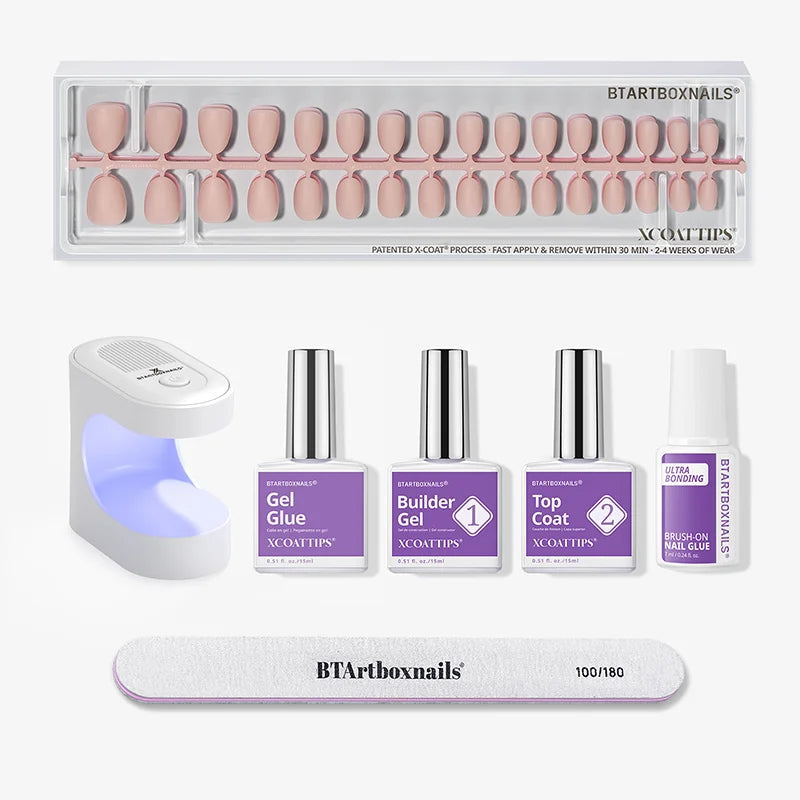
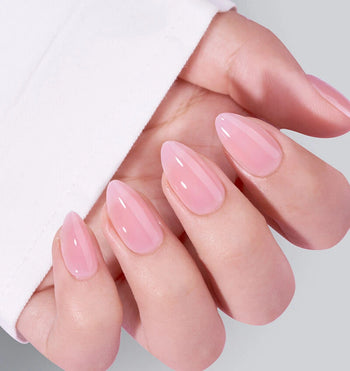
Still, some people can manage with longer nails. These players often use specific techniques, open tunings, or stick to styles like fingerpicking. Some can even play well with fake or acrylic nails.
|
Nail Length |
Guitar Playing Impact |
|
0–2 mm |
Easiest for most techniques |
|
2–4 mm |
Possible for some, may need changes |
|
Over 4 mm |
Usually too long for fretting, harder |
Ultimately, your comfort and the music you play decide the right nail length. Try out different lengths to see what works best for you.
Maintaining Nail Health for Consistent Guitar Playing
Keeping your nails healthy is crucial when playing guitar with long nails. Weak or damaged nails can make playing harder and even cause pain.
You should find a nail length that feels good for you. Nails that are too long may break easier when you pick or strum.
Tips for Nail Care:
- File Gently: Use a fine-grit nail file. File only in one direction to prevent splitting your nails.
- Moisturize Daily: Apply hand cream or nail oil. This helps keep your nails from becoming dry and brittle.
- Trim Regularly: Keep your nails at a manageable length. Playing with very long nails can lead to breakage.
- Protect Your Nails: Wear gloves when cleaning, washing dishes, or engaging in any activity that may weaken your nails.
|
Tip |
Why It Helps |
|
File Gently |
Reduces splits and cracks |
|
Moisturize Daily |
Prevents dryness and breakage |
|
Trim Regularly |
Keeps nails strong |
|
Wear Gloves |
Protects nails from damage |
By following these simple steps, you can make sure your nails stay strong and healthy while you play guitar. Healthy nails help you play better and more comfortably.
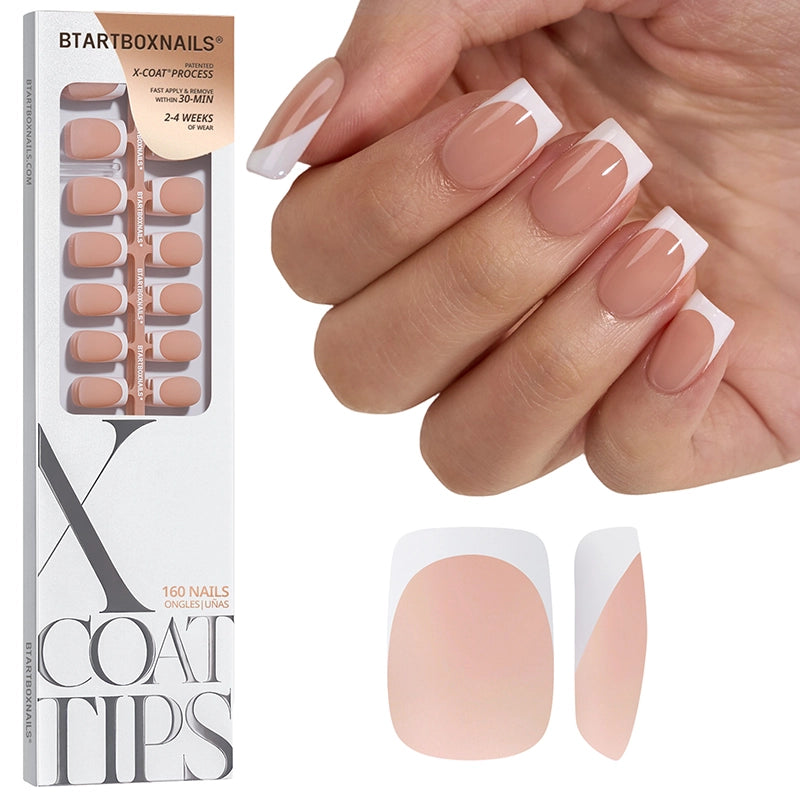
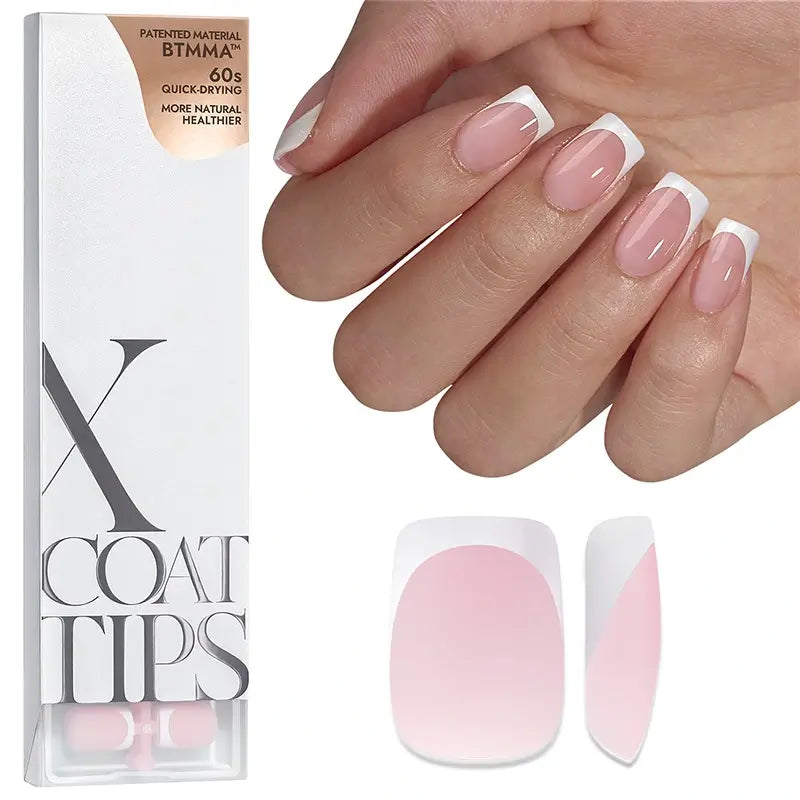
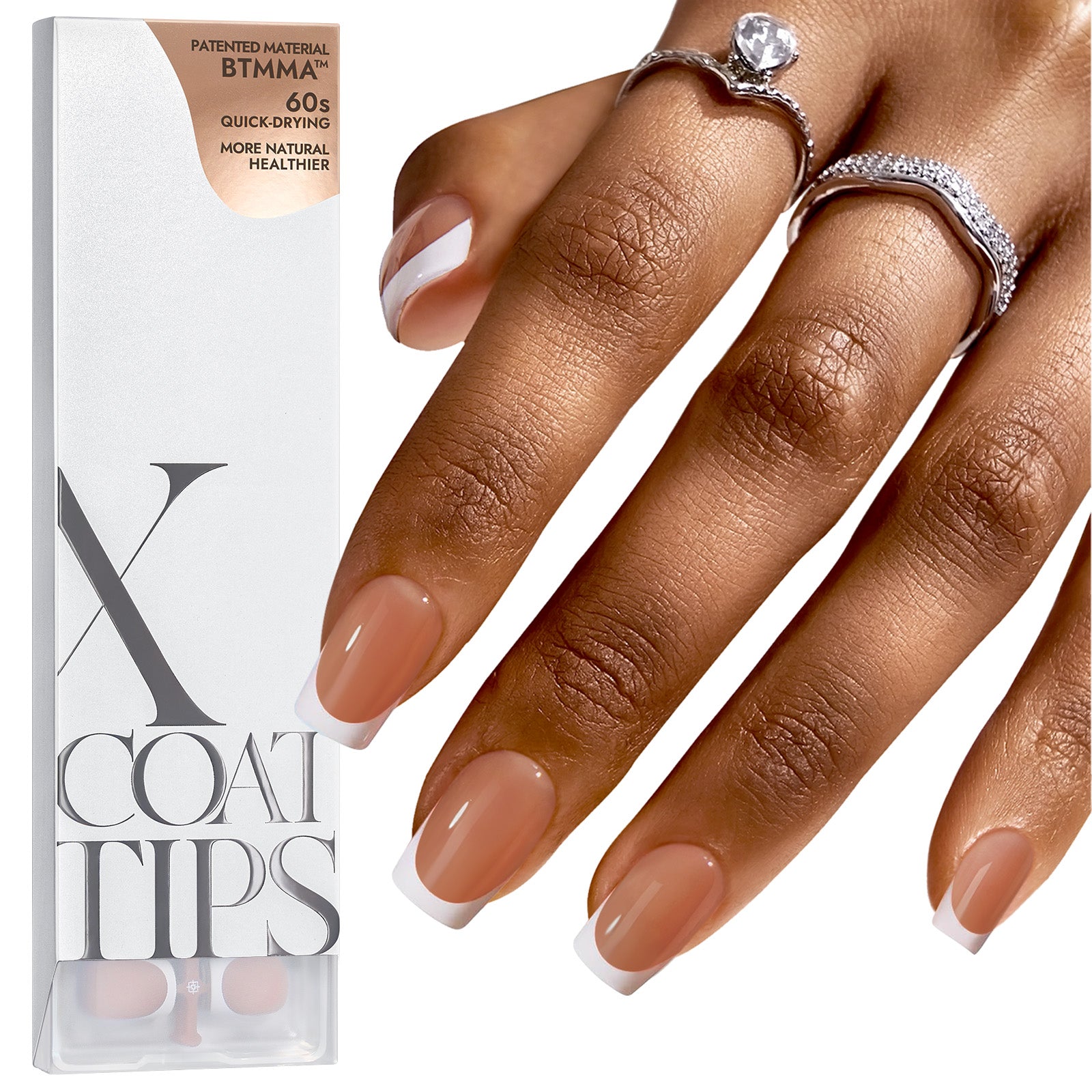
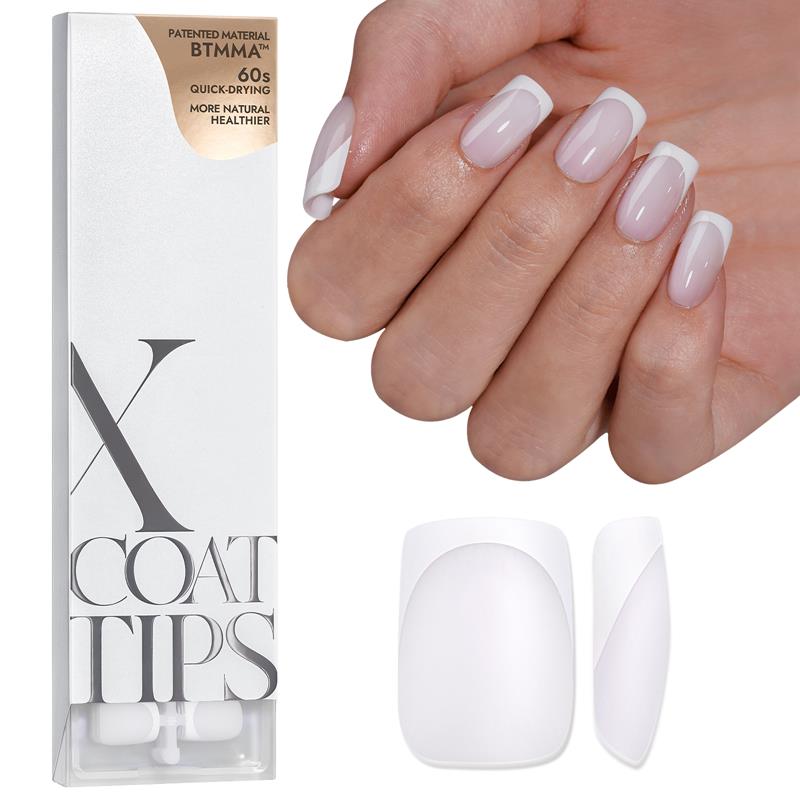
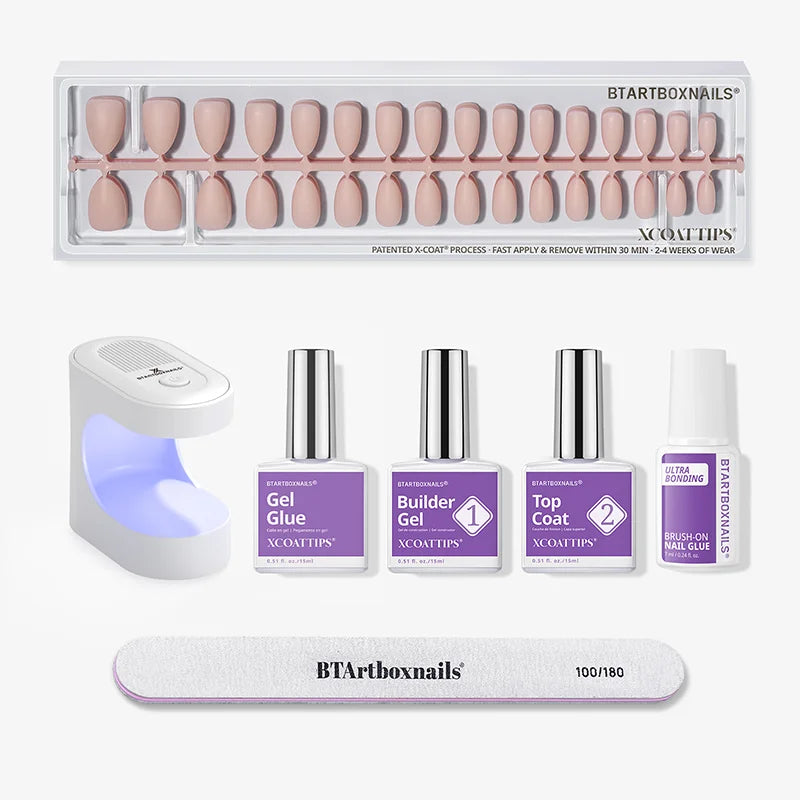
Long Press-on Nails You May Also Like 👍


❓Frequently Asked Questions
There are different ways to play guitar with long nails if you want to keep your style. Some famous artists have their own techniques, and you can use both natural and artificial nails when playing.
How does Dolly Parton play guitar with long fingernails?
Dolly Parton utilizes open tunings, allowing her to play chords with a single finger. This helps because her long acrylic nails make it hard to press down on individual strings. She often strums or does simple picking instead of complex fingerstyle.
Do I need to cut my nails to play the guitar?
You don't have to cut your nails if you don't want to. Some people trim just the fretting hand nails so they can press the strings easily. Others keep both hands' nails long and adjust their playing style, but this can make some chords and notes hard to play cleanly.
Can you use fake nails for a guitar?
You can use fake nails, such as acrylic or gel nails to play guitar. Many fingerstyle players and professionals use fake nails because they are strong and give a clear sound. Some guitarists only use fake nails on the picking hand and keep the fretting hand nails short.
How did Bob Dylan play guitar with long nails?
Bob Dylan did not always have long nails while playing guitar. When he did have longer nails, he primarily used fingerpicking or flatpicking styles, and occasionally employed a thumb pick. His technique changed over time, and he was never known for very long nails like Dolly Parton.
Do I need long nails for fingerpicking?
You do not need long nails to fingerpick, but some players use them for a brighter sound. Long nails can be helpful when plucking strings, although short nails or just the fingertips also work well. The most important thing is what feels best for your hand and your music style.